Blog

The Grammys and Hot Take Rehab

There’s something about the internet sometimes that brings out the worst in some of us. I just posted a snarky picture on Reddit before thinking better of it and deleting the post; but then, not twenty minutes later, I logged in here to bring this gem of a fully-baked idea into the world:

Someone on Twitter could probably break down the reasons why my opinion is retrograde and I should really just shut up, but: I don’t care about the Grammys.

But then I thought: why does it matter? And why should anyone care what I think about the Grammys? So many of us are already screaming ill-informed, half-baked, intentionally provocative words at each other just because we can, and my opinion is about as original (but nowhere near as nutritious) as a can of Pringles.

So, you know what? If you like the Grammys, I support you. I hope you enjoyed it and got to hear some great music. I’m going to keep working on slow thinking and empathy over here while you have a good time.

After I put down the phone for tonight.

Lemon Cake in the Dark

Decided to try my hand at both baking and food photography tonight.

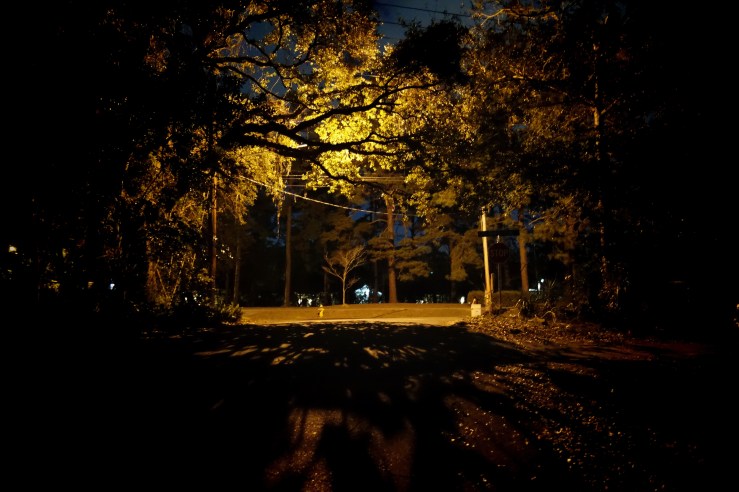
The electricity went out at my house just as this cake was coming out of the oven. I melted the butter in the warm oven while zesting and juicing a lemon before mixing the whole thing with an unholy amount of powdered sugar by cell phone flashlight. The power came back in time to decorate, garnish, and take the photos.

It tastes as delicious as it appears.

Research of Note: Data Activism

Gutiérrez, Miren and Stefania Milan. “Playing with Data and its Consequences.” First Monday 24:1 (2019). https://doi.org/10.5210/fm.v24i1.9554

Scholars, advocates, and social critics frequently describe data as a structure of power used against citizens and the powerless online. In their article in the most recent First Monday, Miren Gutiérrez and Stefania Milan invert big data, arguing that “Citizens, activists and professionals alike embrace innovative data-related practices at the intersection of the digital and the informational, embedding data and ways of playing with data in their activities.

Data is undoubtedly used to oppress and exploit, but Gutiérrez and Milan show how it can be used to advocate for the rights of the less powerful, as well. Recent work in critical studies of neoliberalism–I’m thinking about Byung-Chul Han’s ideas, in particular, which are very nicely summarized in the Verso essay collection, Psychopolitics–paints a nearly hopeless picture of privacy in the radically transparent world that social media has wrought. While it does not occupy the same intellectual field, this research introduces a necessary critical counterpoint.

Camera Roll: Lake Talquin Hydroelectric Dam and a Friend at Work

Started off the day with a work visit to the C.H. Corn Hydroelectric Station in western Leon County. This dam is the source of Lake Talquin. An enormous volume of water was passing through the dam as a result of the heavy rainfall lately.

Later in the afternoon I had a visit from a friend in the tree outside of my window at the office.

Tallahassee Songbird