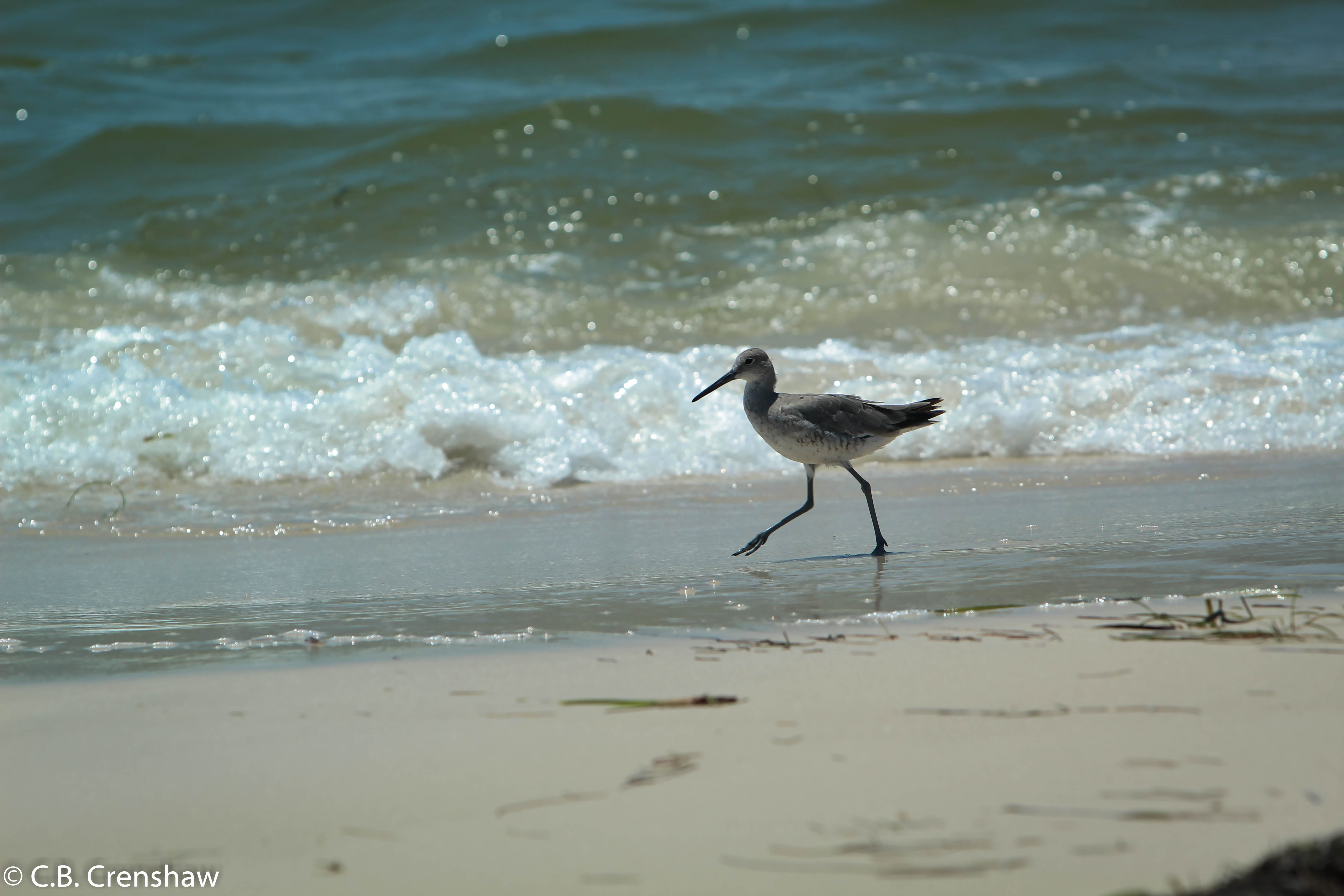
A quick, Labor Day afternoon stroll. Is it finally cooling off?
Tag: Florida



Minute Wild: Summertime Dusk on the St. Johns River
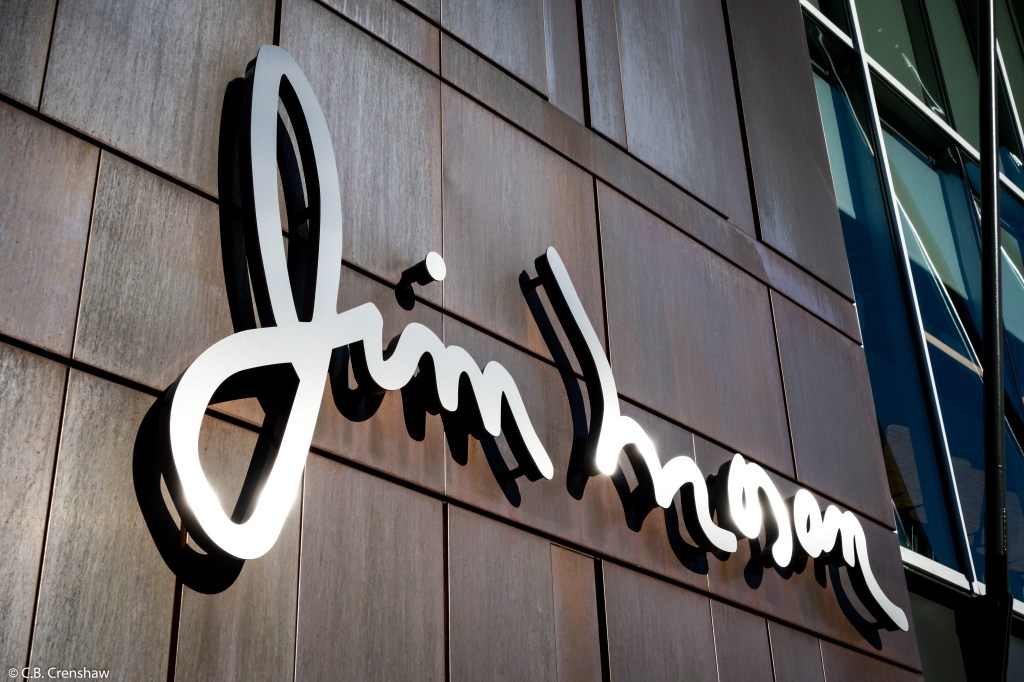
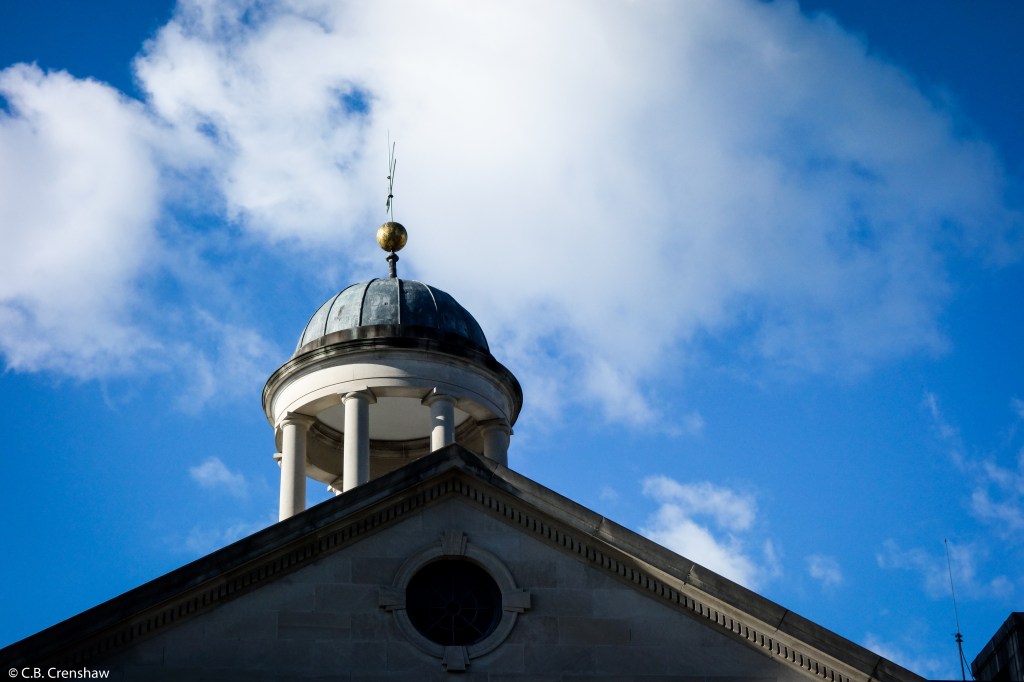
Street Photos: Walking in LA(keland)
The rain stopped long enough this evening for me to take a walk around my hotel on a business trip to Lakeland. I’m too sleepy to say more tonight, but I like it here.


Camera Roll: Bald Point

Minute Wild: Lake Jackson
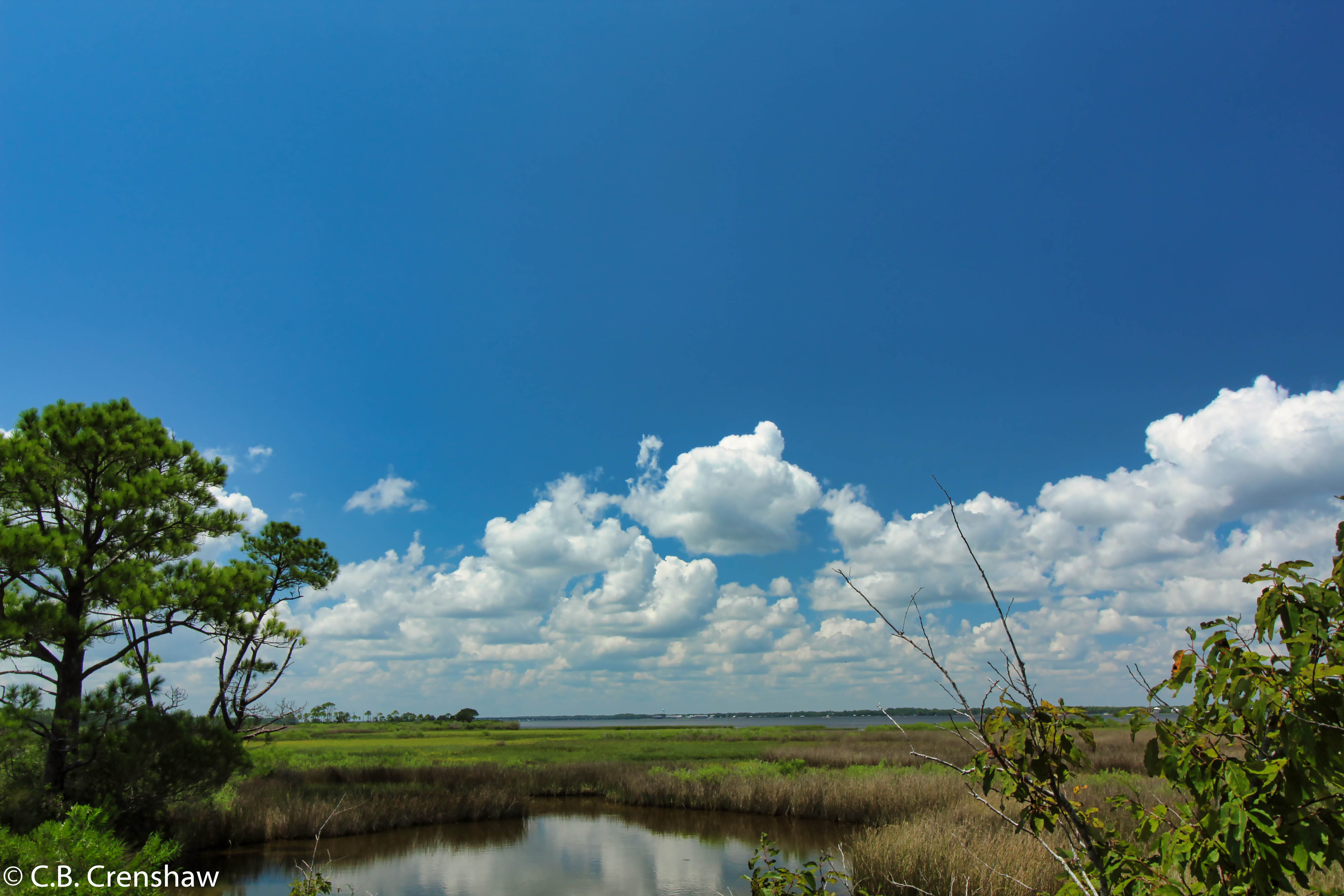
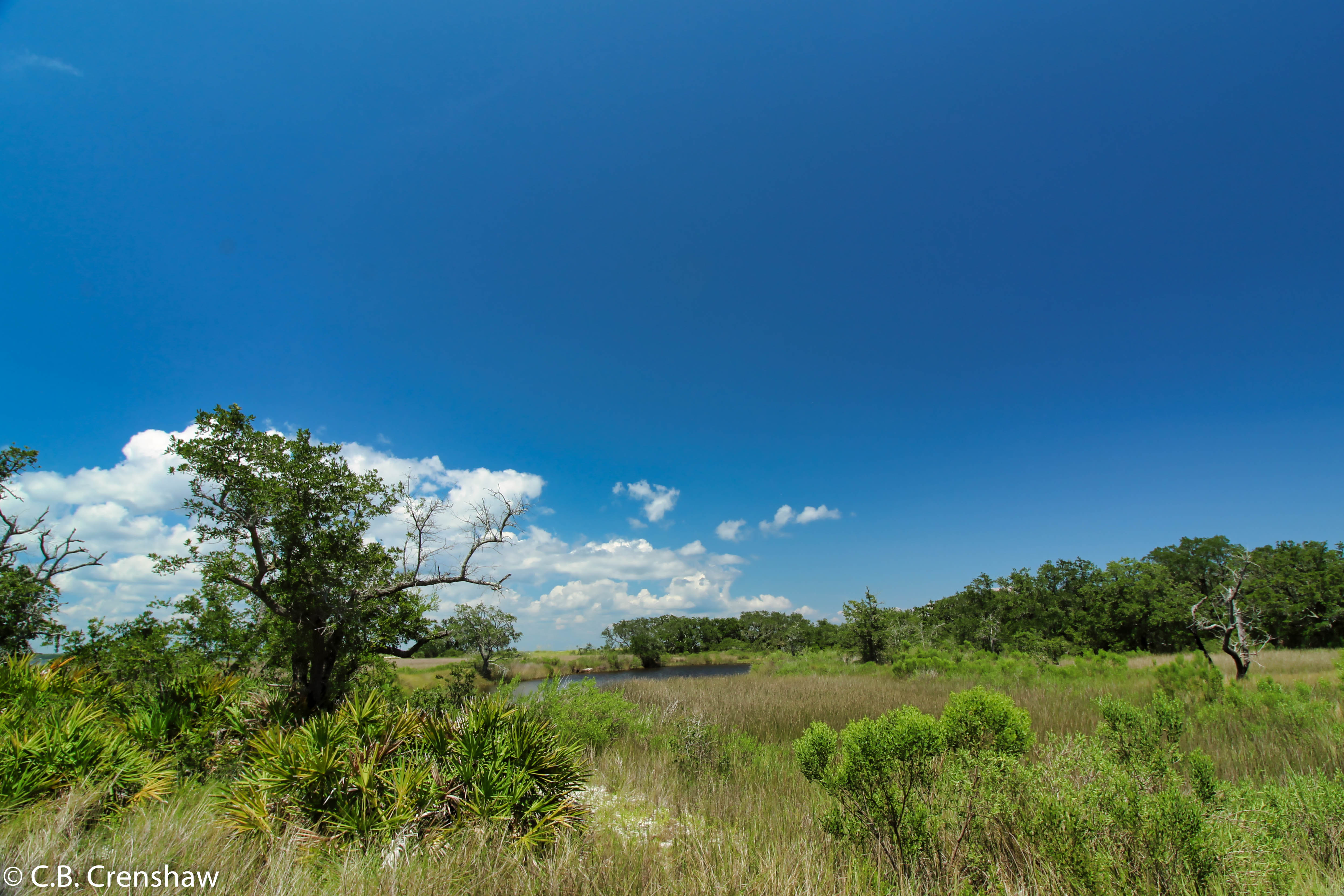
Here’s a new little project I’m working on: short, unedited videos for the nature-deprived. I’m calling these videos “Minute Wild” and have a few ready to go. Here’s the first one, recorded at Lake Jackson here in Tallahassee.
Not much happens here, and that’s kind of the point. “Nature” is hardly ever as exciting as it appears in documentaries. In reality, the natural world simply exists. We project onto nature our own ideas about ourselves. These little unedited shorts are the most sincere way I could think of to explore that idea.
If anyone wants to make anything out of these as I go along, let me know and I’ll be glad to share the files if you credit me.
Information at “Indian Key,” 1840
If you ever find yourself bored with the internet, tired of movies and music and magazines and books and so on, take a moment and think about the world of information available to Henry Perrine’s teenage children on a tiny, 12-acre island in the Florida Keys in 1840.
We had an abundance of books and papers, but only a monthly mail. This mail we generally had brought in a bushel basket & had our arrangements so made that for at least a week after its receipt our household duties should not seriously interfere with our enjoyment of it.
Hester Perrine Walker, 1885
A whole week to bask in the glory of the monthly mail! I spend less than a second with most of the things I see online. For young Hester, each piece of information must have been a treasure, a thing to be turned over and over in her mind and discussed again and again. It’s difficult for me to imagine as I go about my historian’s work of empathizing and visualizing.
We are blessed and cursed with information. Blessed by abundance, maybe we don’t take the time to really process the things we read and see. I know I don’t.
p.s. — in light of last night’s post, think about what it means that the first group of settlers in this extremely remote area decided to put down roots in a place they called “Indian Key.”
Continuity in Settler Colonialism at Marco Island
Even though millions of tourists and residents have traipsed across this peninsula year after year for well over a century, Florida still seems like a new place. Digging just a little beneath the surface, however, reveals a history as deep as the Roman past undergirding the streets of London, or the history of the Pharaohs looming over Giza in Egypt. The account of anthropologist Frank Hamilton Cushing below, for example, reveals the remarkable similarities between the mounds, middens, and channels the Calusa people left behind on Marco Island with the canals and houses where people on the island live today.
Cushing, a wunderkind anthropologist who took over the ethnology department of the Smithsonian at the the age of 19, “explored” the area in 1896 based on a second-hand account of the mounds and artifacts he heard from a British Army officer at the University of Pennsylvania Museum in Philadelphia. It didn’t take Cushing very long to find what he was after. Cutting through the very fist mangrove he encountered on the fringes of Marco Island, Cushing “dimly beheld, in the sombre depths of this sunless jungle of the waters, a long, nearly straight, but ruinous embankment of piled-up conch shells.” This led him to one of the most significant areas of Native settlement in the State of Florida.
“Threading this zone of boggy bins, and leading in toward a more central point, were here and there open ways like channels. They were formed by parallel ridges of shells, increasing in height toward the interior, until at last they merged into a steep, somewhat extended bench, also of shells, and flat on the top like a platform. Here, of course, at the foot of the platform, the channel ended, in a slightly broadened cove like a landing place…. In places off to the side on either hand were still more of these platforms, rising terrace-like, but very irregularly….”
“It was apparent that this had actually been a central court of some kind, had probably been formed as an open lagoon by the gradual upbuilding on attol-like reefs or shoals around deeper water, of these foundations or ramparts as I have called them….”
“Here… had been a water-court, around the margins of which, it would seem, places of abode whence these remains had been derived–houses rather than landings–had clustered… or else it was a veritable haven of ancient wharves and pile-dwellings, safe alike from tidal wave and hurricane within these gigantic ramparts of shell, where, through the channel gateways to the sea, canoes might readily come and go.”
– Frank Hamilton Cushing, “A Preliminary Report on the Exploration of Ancient Key-Dweller Remains on the Gulf Coast of Florida,” 1896
Notice any similarities in the aerial photos of the island below?


There are similar examples all over Florida. Maybe I’ll share some more some time, unless I finish my dissertation on this subject–among many others!–before I get around to it.
On the Edge of the Ocean: Florida and Sea Level Rise
As the Florida legislature takes up sea level rise, I keep hearing voices from the past resonate over the conversation. This passage, from Willis Blatchley’s A Nature Wooing at Ormond By The Sea (1902), highlights one northern visitor’s awareness of the state’s precarious seat on the edge of the ocean almost 120 years ago.
This isn’t a secret, of course. You could find thousands of similar quotes and passages in Florida history. But it can be easy to forget when just about every reporter writing a story about sea level rise in Florida pretends that seawater washing over the peninsula is a new problem instead of an ancient trend.
To be sure, sea level rise is a new problem. Understanding that Florida is built from the ocean, however, that it was seafloor not so long ago, and that it is a vast watery expanse even at the best of times, can help us adapt intelligently.

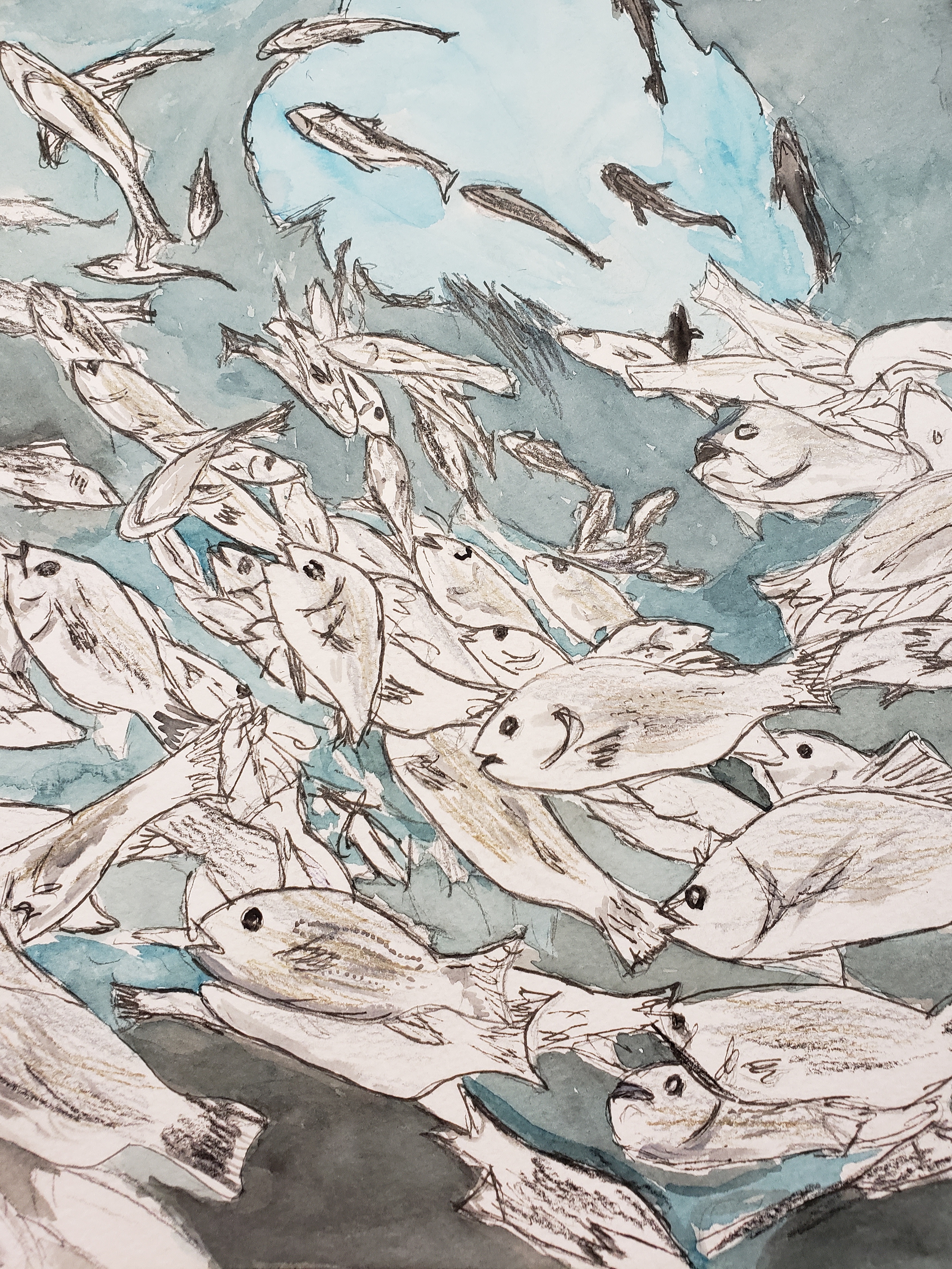
Painting: Blue Hole
Inspired by Florida Springs and based on a photo by artist and master photographer John Moran.
Watercolor, ink, and graphite on paper. 9″x12″.
Camera Roll: Lake Talquin Hydroelectric Dam and a Friend at Work
Started off the day with a work visit to the C.H. Corn Hydroelectric Station in western Leon County. This dam is the source of Lake Talquin. An enormous volume of water was passing through the dam as a result of the heavy rainfall lately.

Ochlockonee River at the C.H. Corn Hydroelectric Dam

Ochlockonee River at the C.H. Corn Hydroelectric Dam

Ochlockonee River at the C.H. Corn Hydroelectric Dam

Ochlockonee River at the C.H. Corn Hydroelectric Dam

Ochlockonee River at the C.H. Corn Hydroelectric Dam

Ochlockonee River at the C.H. Corn Hydroelectric Dam

Ochlockonee River at the C.H. Corn Hydroelectric Dam

Generating Equipment, C.H. Corn Hydroelectric Dam

Ochlockonee River at the C.H. Corn Hydroelectric Dam

Turbine, C.H. Corn Hydroelectric Dam

Turbines, C.H. Corn Hydroelectric Dam

Turbines, C.H. Corn Hydroelectric Dam
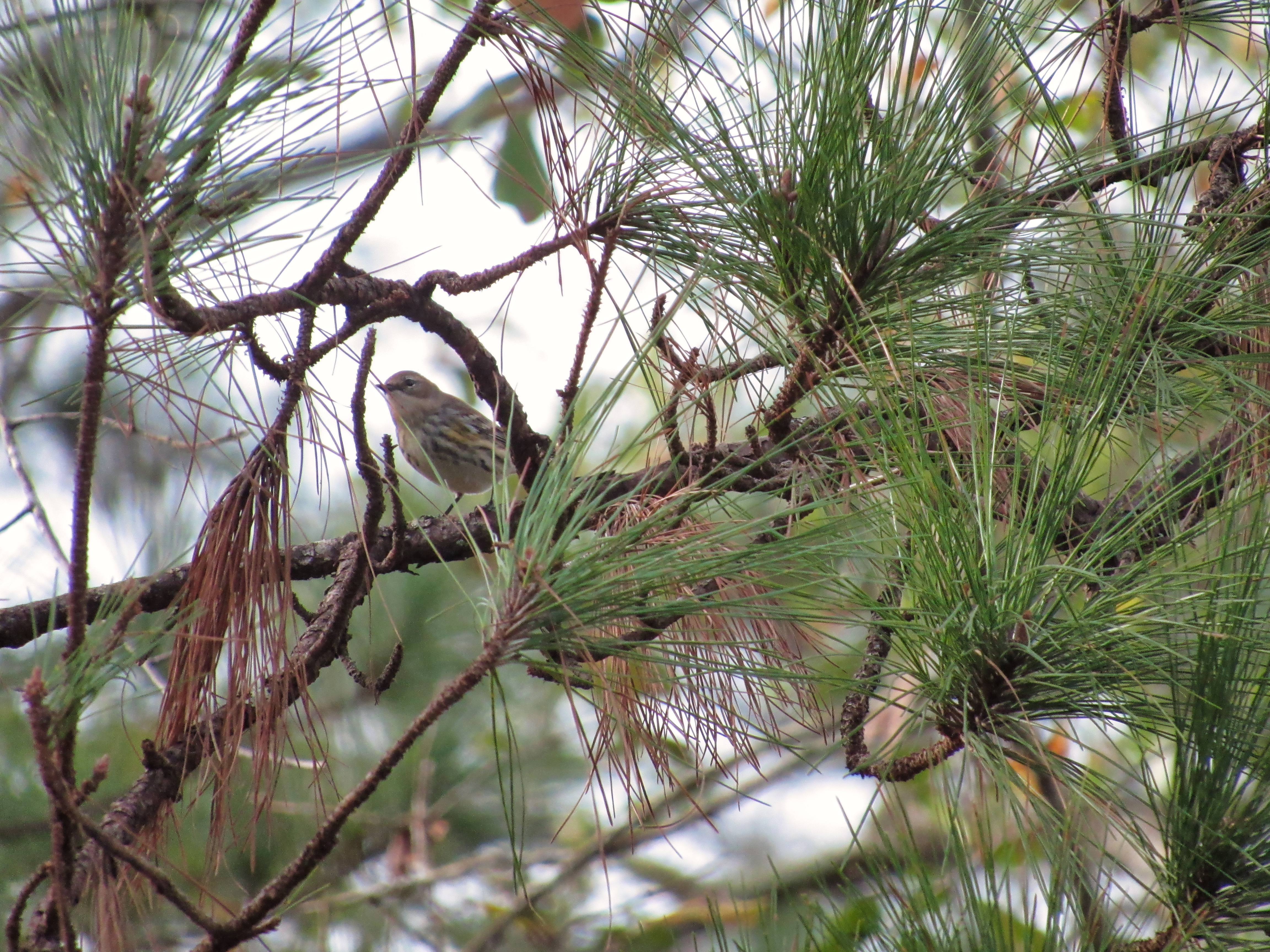
Later in the afternoon I had a visit from a friend in the tree outside of my window at the office.
 C.B. Crenshaw