Magnolia

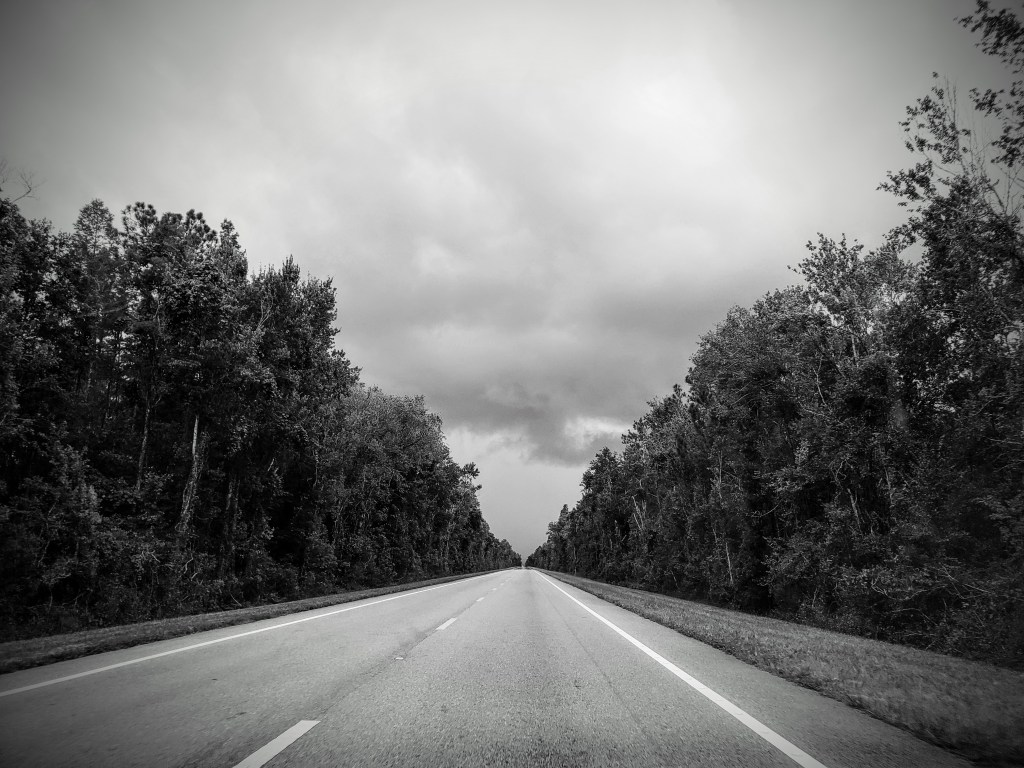
On a trail once, I saw a tree which
should not have been, a magnolia
in the pine flats, by the influence of
some creature planted out of place.

I gave that tree a name, and when I
can’t sleep the name crosses overhead
like Radio On in the darkness static
a nebula of memory flashing to quicken me still.

Und die blumen von meine Magnolien
sind Weiß in der raum dunkel
like footlights in the gloom
shining daylight past in the room.

Like magnolias, too, we bloom in the dark
putting out flowers brown by morning and
passing ancient signals through the
rhizomous earth from which we came.

It is the same earth to which we return and
what more can we ask of the soil mysterious?
Let it be together, we might ask,
let us glow together like blooms in the hunter’s night.

M.F.K. Fisher by Book Light

“Any normal man must nourish his body by means of food put into it through the mouth.”

M.F.K. Fisher, “When a Man is Small”

It is a cold winter night–cold for these parts, anyway–and I am lying in my bed, cringing my feet to escape the little insidious tendrils of icy air creeping under the blanket and reading M.F.K. Fisher by the miserly glow of a little reading light. I’ve progressed through thirty-five years of a reading life, somehow, without once encountering Fisher’s name. That all changed a few weeks ago, when an essayist I was reading mentioned her in passing. Since then I’ve seen her name again and again, as though a magical door opened from some parallel universe into this one and out stepped Fisher, master of the essay. 

When I read the sentence with which I opened this little anecdote, it was like another light, warm and simple and welcoming, began to glimmer from the opening of that door. I had to turn off the light, set the book down. I’m done. It is an extraordinary sentence. To set it down on the page and move on, as though nothing happened, must have felt like flying. It is a remarkable thing and I love it. I love it the way an artist loves a deft turn of the brush. The way a chef loves a surprising flavor. 

Perhaps one day, if I read and write hard enough, I may enjoy a glimpse through the door at a master like Fisher. Until then, I’ll try harder to stay out of the cold.

McDonald’s: Communion

A large Diet Coke and a medium fry.

It is the second day of January and I am on the 5th day of a “vegan cleanse.” I’m not quite sure of what I am cleansing myself. I agreed to the cleanse because it felt, somehow, like cleansing myself of the worst parts of American capitalism. Those parts that reduce thinking creatures to so many dollars realized per dollar spent, no matter the cost in misery, in health, or whatever other problems we imagine we could escape if we just had enough money. Enough money to be somewhere else when the knocker and the butcher come for us, too.

I said yes to the cleanse, but here I am: in the drive-thru line on a rain-soaked Saturday afternoon, waiting impatiently for the line to move up so I can find something, anything, without animals or their “products” in it to go with my drink. I still think like an omnivore, so I consider for a moment picking up a sundae as a surprise for my wife at home. It takes me a beat too long to realize why that is a bad idea, why it might be a different sort of surprise than what I had in mind. It’s got to be fries, I learn. That’s all there is.

There is something vaguely shameful about McDonald’s. Even if you don’t mind the cruel calculus of fast food, if you love the idea of an international supply chain delivering dripping death from the killing floor to the PlayPlace in a neighborhood near you, you’re still likely to feel a little shame waiting in the line at McDonald’s. You’d rather be somewhere else. You probably wouldn’t want a friend driving by to see you there. Perhaps our willingness to wallow in this shame, time and again, for food that nobody seems to actually like, is evidence that we’re all in an abusive relationship with the golden arches—but that is a thought to unravel some other day. Right now my order is up at the window.

I take a sip and pull around the building. My dog pokes her little shaggy gray head into the space between the driver and passenger seats, her eyes boring a hole in the bag of fries in the passenger seat. For her this is what it’s all about, really: food, always. I share a fry with her and think, in that warm glow of peace and well-being unique to salty, fried foods, that it’s much the same for us. Down there at the bottom of everything it’s always about food. Our lust for travel, our finest memories and innermost desires: food. Everything else, from sex to symphony orchestras, is a distant runner-up.

It is in this salty afterglow that I reflect, too, on the good radiating from this building. The teenagers working their first jobs behind the counter. The managers—if they’re good ones—imparting a new category of knowledge to their young charges. The meals on the table, directly and indirectly, for which this place is responsible. I think about the homeless men and women inside, safe from the rain and cold in one of the few places that won’t turn them out. I think about my father-in-law, for whom McDonald’s is somehow a wonderful meal, and the complicated generational differences underlining my inability to understand his opinions about this and everything.I think about my mother, who passed a tiny portion of the damage our culture has done to women down to me in the form of a deep and abiding taste for Diet Coke.

This place smooths, in a small way, the jarring gaps of age, of race, of gender and wealth and sensibility and morality that divides us all. Maybe that good flowing out of the front door offsets some of the bad flowing in through the back. I take a sip. I pass a fry to my dog. She takes it, ever so gently, from my hand and retires to the back seat. She’ll be back for more before I can finish my own. I eat another fry, savoring the salt, the hint of oil, and think, soon the rain will stop. Out in some featureless place, where I don’t think it ever rains, McDonald’s will continue turning cows into dollars. Tomorrow my cleanse will continue. But today we have shared some fries, we two, and that is all we really need.

Town Center: A Draft


Raincast mosaic on my hotel window
streaks Fogo de Chao and
blurs too-small memories

where here (for example) I shook the man’s hand
too small to see past
the shadow of work

or there (I presume) the slash pines stood
too small to stand against
Cheesecake Factory.

In silence unaware
they were taken down,
down across the river flowing.

Drop a quarter in the coffee machine
and play cup poker with the
boys at the side door you

draw a pair of aces blushing
and the boys fete you
on the good Hyster riding

high until lunch we
punch out and go down,
down across the river flowing.

Raincast mosaic washing down to the river, too.

Sylva

I asked the wind-beaten mountain
what she would become
Everything and nothing, she whispered
like song
Is all we’ll ever be
all and not at all

That night there was no mountain
where the wind-beaten mother stood
only darkness all
all and not at all

By her whisper-song unsettled
I turned to grandfather in morning sun
to ask who I would become
I was you once, he rang like a winter bell
like a river stone
And you will be me

That night there was darkness only
where grandfather stood
Darkness only in me
But I am no mountain

Fan Lewis at the Royal

Fan Lewis says he’ll take out the knees
of any old boy who comes at him, why,
he’d hit ‘em with that
million-candle flashlight
and down they’d go.

Ain’t nobody
got the better of him yet,
shit.

Six beers at a time Fan drinks
while the Saturday sun climbs
Set ‘em up six in the Koozie cups
six cans down and a trip to the Royal

Three cans in, Fan Lewis wants to tell you how,
blonde hairs loose on his tee shirt shoulder,
there must be a way (four cans now)
to solve the problem of perpetual motion

We just ain’t
thought of it yet

Six beers at once Fan Lewis drinks
when the Sunday blues ring
Set ‘em up five, and four to go
there’s Monday coming with nothing to show