It’s been a while since I posted a Visual Excitement, but this warrants the effort. Some stills from Michael Powell’s 1963 made-for-TV adaptation of Bela Bartok’s opera, Bluebeard’s Castle.
How many of these emergent problems will have to be solved before the product is secure? And even if we could think of everything, how many entirely new problems are these tools creating which will, in turn, also have to be solved?
[Edit: I finished reading the rest of the post, which I’ve just linked again, and holy shit.]
Watching people ask ChatGPT questions about technical matters for which I am a sort of expert and then presenting the hallucinations back to me as facts in real-time is a lot of fun. Does this happen to you?
With LLMs it’s always the same problem. They don’t know the answer; they just know how to run an input sequence through complicated functions that predict the next word in an output sequence. The quote below from this excellent article puts it much better than I can.
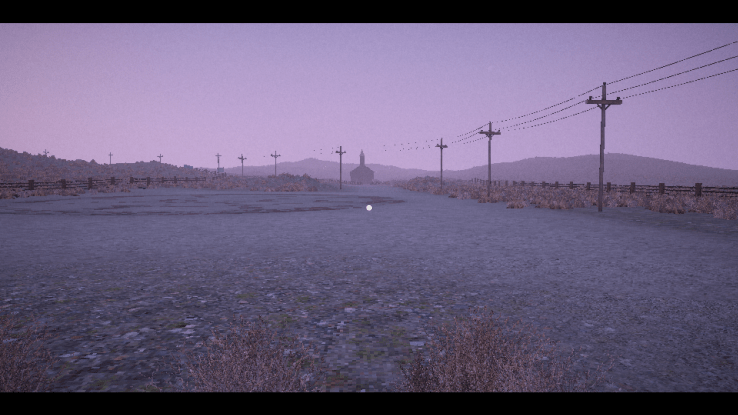
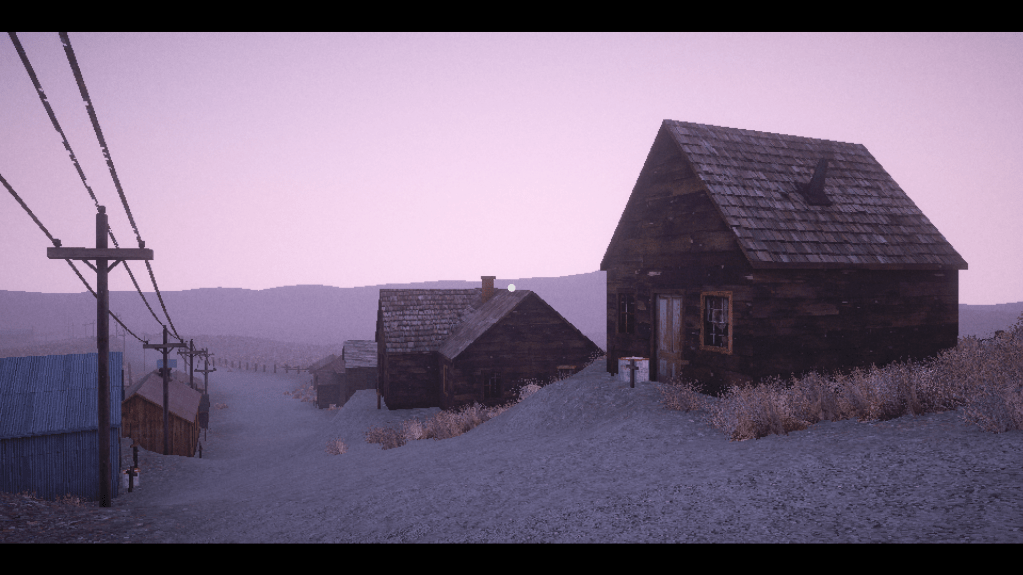
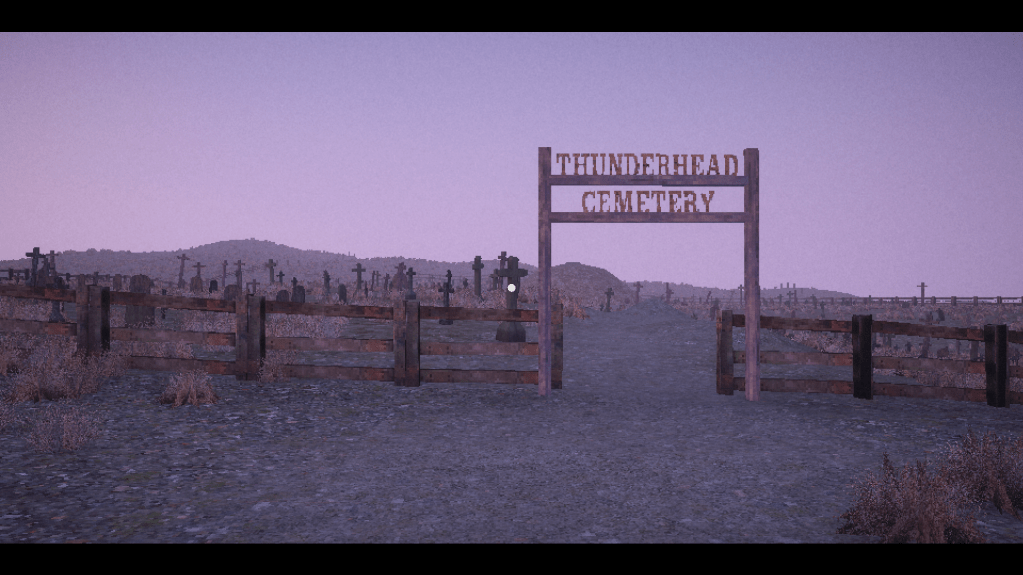
This is part of a series of posts exploring video games as spaces players inhabit. If you’re wondering what this is all about, I tried to explain myself here.
Here are some travel notes from a brief stay in Thunderhead.
People disappear; their commodities remain.
2. There is no stone here. All, save one brick building, is temporary.
3. Civilization passes away; nature, similar to commodities, endures.
4. Labor is spectral. It is silent, but always present.
Facebook has been a bad product since the introduction of the News Feed, but the switching costs have always been high and it was optimized by some of the best engineers our universities could produce for stickiness. The dual onslaught of Groups, which incentivize low effort/high engagement content, and AI junk, which sometimes checks both of those boxes just right, makes it an even worse product.
It’s still sticky, because we’re all still here, but will that last? Will it last when most of the posts I see give me zero value? Will it last when groups, which are weighted so heavily in the feed, are cesspools of AI-generated nonsense? I hope not. I hope a product manager at Meta is losing sleep over this problem tonight.
This is happening to the whole Internet, though. AI slop is already filling up web pages and discussion forums. Reddit will succumb to it because upvotes are the metric. Comments sections were already astroturfed; now the astroturfers will just cut out the humans sitting in the phone farm. I just had a meeting today where one of the topics was using AI to generate blog posts. There’s no turning back from this garbage because the incentives to use it are so high, and the bill for that convenience won’t become due until the entire Internet is consumed by it.
I printed (and web published) a ‘zine because I believe print is going to make a comeback very soon. By its very nature, print defies the logic of machine generation. We need analog back. The digital ocean is polluted.
Lately, every time someone writes about “democracy” in some piece of urgent online hand-wringing, I stop reading. It’s not because I disagree with their politics, necessarily, but because I can’t shake the uncanny feeling that the writer has stopped thinking.
“Democracy” is exactly what we are living with. Rule by populists and demagogues is one of its outcomes. What these people seem to want is something else, a Utopia of Rules, in which the adults swoop in to save us from our mistakes. It’s the world of Report Cards and Crossing Guards, where the rules and consequences are written on the board. That’s not the world we’re living in.
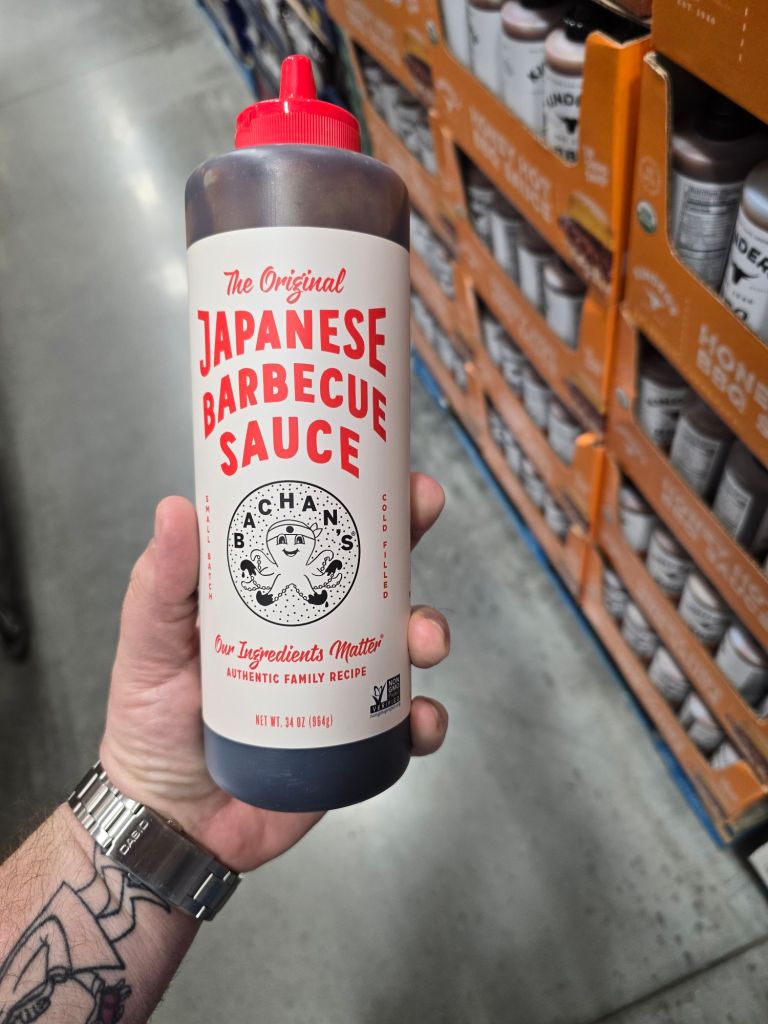
My new hobby is walking around the store and taking notes on all of the things I can make myself for a fraction of the cost. For example, I can spend $17 on a jar of Chili Crisp, or less than $5 (often far less) with ingredients I already have.
1. Take a picture, 2. Pull the recipe, 3. Profit
I know this isn’t anything new, but it’s new to me. Lately I’ve been making my own bread, dog treats, soda (because the SodaStream is amazing!), barbecue sauce, and other staples that would otherwise cost a lot of money or result in a lot of waste. Making as much as possible at home saves both money and waste, and. I try to cook every meal at home, and focus on buying ingredients, rather than products.
I’ve always been amazed by the people in cookbooks or on TV who can just stock a pantry and be ready to make just about anything at home. I’m learning how to do that now, and it feels good.










 C.B. Crenshaw