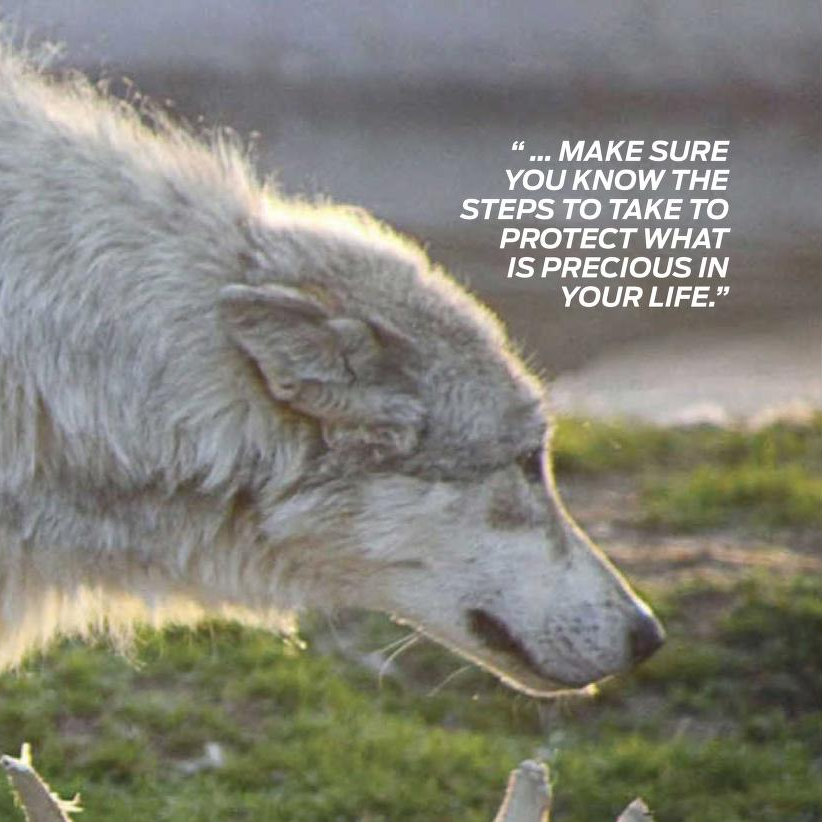
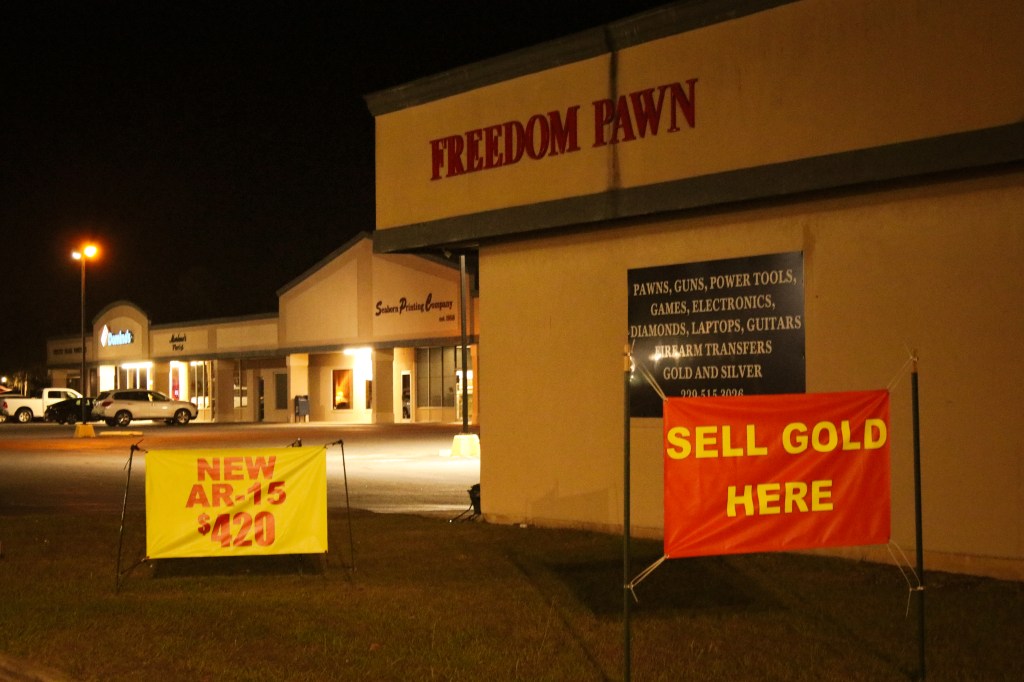
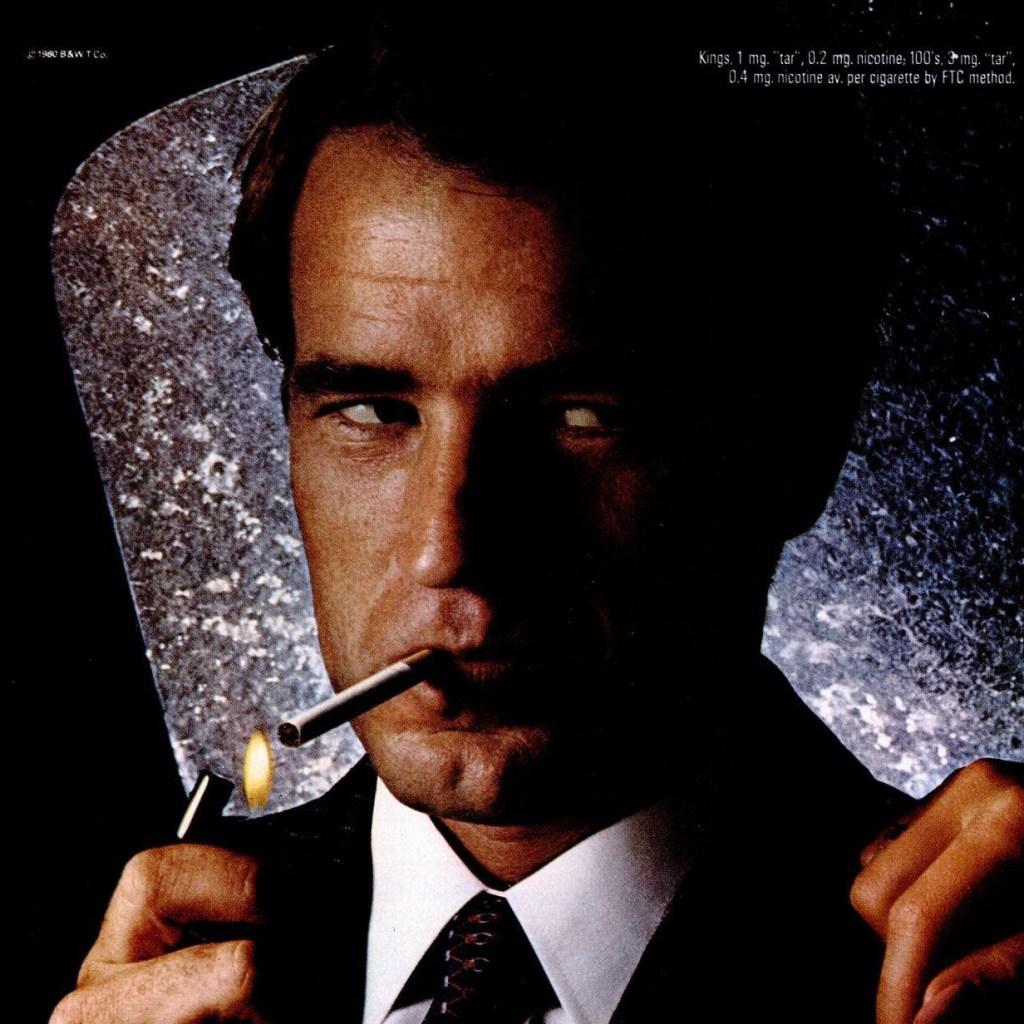
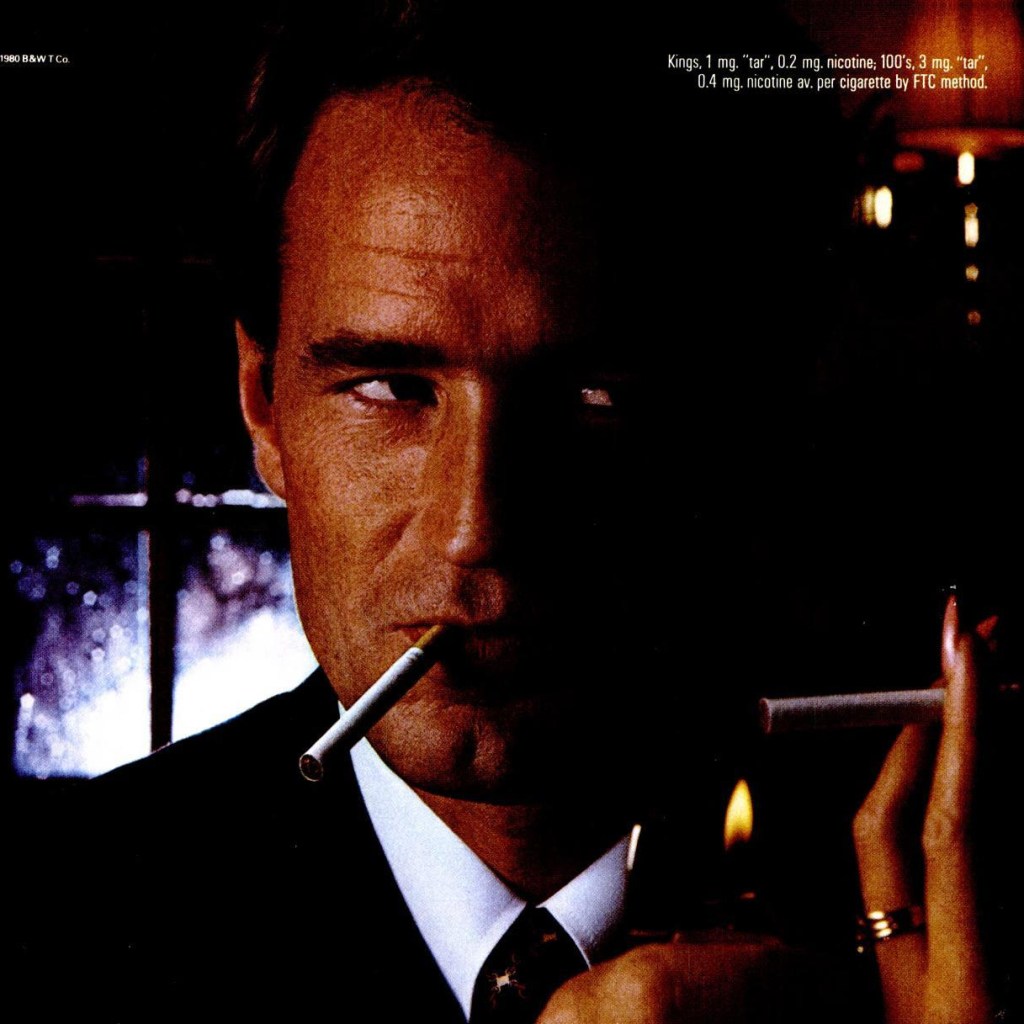
Capitalist aesthetics in the March 2000 issue of Popular Science.


Capitalist aesthetics in the March 2000 issue of Popular Science.


1.
It is Christmas and everyone at the Preservation Pub is beyond redemption. I am seeing double, not thinking clearly. I have driven eight hours from Florida up the age-worn spine of the Appalachians to be here tonight. On the stage, a ragtag crew of backwoodsmen, mechanics, and beer drinkers are teetering on the brink of chaos as they work their way through an energetic set somewhere in the feverish frontier between blues, funk, and rock. There are seven of them in all: big, working-class men like miners in the old Pennsylvania polka bands of the last century. They look like they would be more comfortable twisting wrenches than playing for us here tonight, but they’ve chosen instead to give us this Christmas offering. I am grateful for it. It may have something to do with the drinks, but we are all grateful.
There is a guy in a fedora playing a baritone saxophone, probably the first person to take the hat or the instrument seriously in a room like this since the New Wave era. There is a big guy working a trombone and leading ring shouts into a microphone above his head. “Roll on!” he shouts, hoarse from exertion. “Roll on!” There are two guitarists hiding near the back of the stage. I think they might have long hair, but it’s a long way away and the whiskey is starting to take hold. I can see the bassist, however, well enough to tell that he is the straight man in this ensemble, competent but somewhat out of place. He wears a Fender t-shirt and I joke with my wife about “wearing the shirt of the band to the band.” In my alcoholic, road-weary haze, this observation is impossibly funny. The drummer is invisible behind the mass.
There is the leader, finally, seated at a little Wurlitzer stage left. He is Jon ‘Cornbred’ Worley, a musician of either renown or infamy, depending on whom you ask, and he has the room spinning even more erratically than the spirits flowing from the bar.
“A long time ago, in a galaxy far away,” Worley drawls, his voice dry and raspy, like the Marlboro Man in an iron lung, “the little Baby Jesus was born in a manger.” We follow along, unable in our state to give his words much thought. “He had so much love for y’all,” he continues, “so much love even in his little baby toe. But here y’all are, heathens on Christmas.” Worley is right. Here we are, heathens together.
It is Christmas night, 2021, and no one is wearing a mask. No one is “practicing social distancing,” a phrase from last year that already feels out of date and awkward, like “riding the information superhighway.” There are no bottles of hand sanitizer on the bar, no plastic screens separating the booths. No one tried to limit the number of people here tonight, and there is little room left for anyone else to come in.
Somewhere in the world, perhaps already in this room, there is a new variant of the coronavirus rampant. The new variant spreads prodigiously. Experts warn it may bypass the borrowed immunity of vaccinated people, potentially resetting the clock to the spring of 2020. These experts have named the new variant Omicron, from the Greek letter. It is the first time many people have heard or seen the word. The assignment of a new Greek letter imparts distance, for the time being. We will deal with Omicron when it arrives. For now, though, here we are, heathens at the Preservation Pub.
2.
Naming and renaming, drinking and performing: these are acts of remembering and forgetting. How things are remembered and why they are forgotten give shape to a community. They also hold the key to deconstruct, to understand, and learn what it feels like to live in a community. Some seek memory in oral history, others turn to the archives. I had a different objective. Over the next few days in Knoxville, I would strive to uncover a counter-archives of sound: to explain what the city remembers and how it forgets, primarily by listening. I came to the city with a strange hypothesis: given that cacophony, music, and silence exist on a spectrum, like a scientist analyzing the spectrum of some distant exoplanet to infer whether it hosts life, I could read the spectrum of sound in Knoxville to hear what it might teach me about life there.
Close listening revealed a city strapped into a scorched earth drag race of growth and development. The process is nothing new. Like the coronavirus variant rapidly mutating and spreading among the euphoric crowd at the Preservation Pub, Knoxville and the Appalachian region is constantly evolving. In 1844, a traveler called the town a “poor, neglected looking place.” In 1857, another visitor said that he was “struck with the thriving looks” of the area, shaped by “a stalwart, laborious, independent population; the pith of the United States.” Later in the nineteenth century, according to historian James Wheeler, widespread coal use “gave the city a distinctly grimy, sooty appearance” and “street paving was spotty at best.” Mountains, rivers, railroads, turnpikes, pipes, and wires continue to shape and reshape the city.
These changes have a sound. Knoxville’s most illustrious son, writer James Agee, was acutely aware of this fact. His masterwork, A Death in the Family, opens with a prolonged meditation on the city’s suburban soundscape circa 1915. Read the prologue again and the sound is unmistakable, paragraph after paragraph of water hoses sputtering with streams of water, “mothers hushing their children,” cicadas and crickets singing in the trees “like the noises of the sea and of the blood her precocious grandchild.” After this resonant opening, death comes for the titular family against a backdrop of powerful quietude. Approach Knoxville, Agee insists beautifully, with open ears.
I found an equally rich soundscape, but pitched to a different register now that the city has outgrown the sleepy railroad town of more than a century ago. From the stage-managed city center to the suburban frontier stampeding across the ancient, rolling mountains surrounding it, Knoxville is transforming itself this time around into a cookie-cutter copy of every other American city. I came looking for something distinctive. What I found was what I left behind, a sort of Appalachian Orlando.
Travel writing, I’m told, should pull out the exciting differences in a place, so readers can escape their humdrum reality and dream of faraway lands. If you look—and listen—closely to Knoxville, you will find unique and beautiful things. You’re not likely to find Cornbred Worley on Christmas night in too many American cities, after all. You can climb giant stone steps up the side of a mountain in Knoxville. You can take classes at a world-class university. You can check out the site of a World’s Fair. You can swim in mountain streams up there, you can drink great local beer, or you can visit amazing used bookstores if that’s your thing. You can play music, make art, make love. I implore you to go.
Travel should also force us to confront some hard facts, though, and that is what I’d like to explore in this essay. This is where we all live out here in America: a creeping sprawl of lookalike subdivisions, connected to one another and the world beyond by an overbuilt but rapidly deteriorating network of roads, which lead along the way to taste-alike restaurants and shop-alike strip malls. Together, all of this robs us of our wealth, health, and well-being. Sometimes you have to hit the road to see what’s right in front of your face.
The flattening and spreading of American cities has been moving at breakneck pace for fifty years, but listening to Knoxville now reveals an increasingly urgent dissonance underscoring the machine of growth. This dissonance feels new. Sprawl seems to have shifted from a major to a minor key, as though the party ought to have been over ten or twenty years ago but no one knows what to do.
3.
I carried a deeper purpose on this trip, somewhat closer to my chest. I did not choose Knoxville at random. My family decided to move there from Florida, out of the blue, earlier this year. Around the first of February, my mom called and told me that an internet real estate company had made an unbelievable offer on their house—the kind of offer only an out-of-control algorithm juiced by an infinite money cheat code could make. Thinking they would be foolish to turn such an offer down, my Jacksonville family was packing their belongings, selling as much as they could, and painting the walls of the house where I had spent my most formative years to prepare them for a walkthrough with the internet broker on Zoom.
“Better get out of there before they come to their senses,” I said. And then, more seriously, “Where are you going?”
“We’re looking up in the mountains,” mom said, “around Gatlinburg.”
My Florida family is not alone in its lust for the mountains. Nearly everyone I know—attracted primarily, it seems, by breweries and hiking trails—has considered moving to the lush, green region of mountains and rivers bounded by Asheville, North Carolina in the east and Gatlinburg, Tennessee in the west. If they haven’t considered it themselves, they know someone else who has already relocated there. For those of us living in the wake of prior booms, the present rhymes with the past. Speaking at a similar moment of explosive growth here in my home state, William Jennings Bryan remarked that Miami in the 1920s, for example, was the only city in the world where “you can tell a lie at breakfast that will come true by evening.” Bursting with an influx of middle-class families desperate to escape the flat, hot sunbelt, Appalachia is the New Florida. Fairy tales told at breakfast are awash in craft IPAs down at the dog park by sundown.
On Valentine’s Day, we drove to Jacksonville and I spent the last night in my childhood bedroom. I longed to take it all in, savoring the friendly darkness and familiar quiet until the dull light of dawn streamed through the blue miniblinds, and then it was time to go.
Later, back at home, I mourned the old house by looking at pictures on Google Street View. There was my mother’s car. There were the bushes I had trimmed every summer. There was the concrete we poured for a basketball hoop, scratching “1996” on the surface with a stick to commemorate the year. There was the bedroom window behind which I imagined a thousand futures. I hadn’t lived there since 2005, but I couldn’t imagine never crossing the threshold again. Even now, when I think of my mother, I think of her in the house there.
I drove home with a box full of old keepsakes and report cards which sat in the trunk of the car until St. Patricks Day. When I was done looking at my house on Street View I looked at pictures of Knoxville. I imagined what it would be like to live there. I had to admit, those Smoky Mountain trails looked pretty good. And I had heard good things about the craft breweries.
4.
To hear a place, to know it, you must take part. On Christmas Day we packed up the dog and set out from my wife’s childhood home, still intact and inhabited, and made our way up the long axis of Alabama to Tennessee. Andalusia, Greenville, Montgomery, Birmingham, Gadsden, Fort Payne, and dozens of other places existed somewhere in brilliant sunlight beyond the verge of the highway. We stopped in Chattanooga as dusk fell to night and ate sandwiches from a gas station somewhere below the roaring interstate up on a hill over our heads.
Ninety minutes after the sandwiches in Chattanooga we were in a townhouse off Kingston Pike having Christmas dinner with mom. The rest of the family had already eaten, but we caught up with one another over the dining table next to the couch anyway, paying little mind to the tinkling bells and Christmas carols playing on commercials in the living room behind us. The road was still with us, however, and dinner felt rushed, cramped and unreal like a jet lag meal at the airport. It was still early when we left, begging exhaustion, and made our way down Interstate 40 to a hotel across town.
There are two rivers in Knoxville, both heavily engineered. First there is the true waterway, the Tennessee River. Named for a Cherokee town that once stood on its banks, the river is more famously known now for its place in the Great Depression. Downtown still there is a building bearing the logo of that great New Deal creation, the Tennessee Valley Authority. It was the TVA that brought electricity to the Appalachians, harnessing the power of the flowing river to light up the region and creating, along the way, a series of wide lakes that draw the ardor of bass fisherman and the ire of conservationists. The old Cherokee town of Tanasi that gave the river its name lies now beneath one of those lakes just a few minutes down Interstate 40.
Next there is the great steel and concrete river and its branching tributaries, Interstates 40, 640, 275, and so on, which divide the city into rough quadrants. These roads are unavoidable, ever-present. Odds are, this is how you will arrive here: veering off the interstate after an interminably long drive, nervously attentive to the voice of your digital assistant, Google or Siri or Garmin or whatever, as they instruct you to turn onto one of the city’s arterial roads. From the south, coming up from Atlanta or Birmingham, you will have trooped over a hundred miles or so of pockmarked and grooved highway spanning the sparsely populated region between Chattanooga and Knoxville. From the east, you will have come down through the mountains, clutching the steering wheel and sweating as you roll down the long, curving grade toward the Tennessee River valley. You turn down the podcast that has carried you across the long, desolate road, and pay attention.
For the next few days, everywhere we went, we reckoned with the road. Later that night, long after Cornbred Worley packed up his Wurlitzer, I could hear the concrete river outside the hotel flowing still, flowing through the night.
5.
We decamped for the week at a Country Inn & Suites two turns off the highway offramp. It stood next to a retail sign shop on one side and a claustrophobic cluster of doctor’s offices on the other side, all brick and white trim, out of place in their business-like propriety next to the motel. There was a liquor store across the street, a Weigel’s gas station at the end of a long drive. Ragged men with suitcases or bicycles haunted the liminal space between the liquor store and the gas station, waiting like passengers at the bus terminal for good fortune to shine on them. At night, when the road slowed to a sort of pianissimo hiss, we could hear their voices in the chill air.
Listen to a place like this. The Country Inn & Suites is a four-story pile of stucco and wood, beige with rust-colored highlights, virtually identical with the thousands of other stick-built suburban establishments that have taken the place of the old business districts in the United States. Derided by the country’s trendsetters and mostly ignored by its elites, these hotels, strip malls, fast casual restaurants, and gas stations make up the very fabric of existence for most Americans. These places resonate with their voices as a result.
Take Ethan, for example. When we arrived, Ethan was working behind the counter. Tall and lean, dark haired beneath a Nike cap, Ethan was dressed in a T-shirt and basketball shorts, as though he were checking us in to the hotel from his own living room. In many ways, he was. We would come to know Ethan well over the coming days, because he was always there.
Entirely professional at check-in, Ethan let his hair down on the bench out in front of the hotel. We ran into him on the way out to Preservation Pub and stopped for a chat. Between long drags from an American Spirit cigarette and trips back inside to help customers, he explained that he lived in the hotel.
“I’ve worked every day for the past 22 days,” he said, exhaling a cloud of smoke toward the parking lot beside us. “I’m thankful to the owner, don’t get me wrong,” he continued. “He took me in when I was in a real bad place, but I desperately need a day off.”
He inhaled again, continued with a smoky laugh. “Today I got to drive to Office Depot to pick up an ink cartridge and it was like the best thirty minutes I’ve had in weeks.” He stubbed out the cigarette and looked at us with a nervous grin.
“Anyway, I’ll be here if you need anything.”
That conversation with Ethan haunted the rest of the night. Shielded from the noise of the road, the front desk at the Country Inn was an envelope of quiet in which he was captive, like a rabbit in a snare. At the Preservation Pub, I saw the pub wrapped loosely around the neck of the bartender. I saw it closing in on the waiter counting tips at the dim and silent counter of the Italian restaurant next door. I saw it wrapped around gas station clerks watching the long hours flow like glaciers in the night. Truck drivers, lashed to the steering wheel, the droning voices of podcast hosts and talk radio personalities pouring into their ears to mask the endless audio blur of the road. Blasting horns, slinging guitars, and jamming chords on the keyboard offer a sort of freedom from the envelope of quiet captivity that ensnares us, but this freedom is fleeting.
6.
The next day, head pounding like that massive bass drum the marching band rolls onto the football field at homecoming, I woke up from a terrible dream. In the dream, I was driving through the raging storm, high up in the mountains. Wind and rain lashed the car, as lightning cracked and sizzled, dancing among the rocky crags overhead. It was a struggle to keep the car on the rain-slicked road as I negotiated the steep grades and twisting switchbacks. Higher I drove, higher and higher, as the mountains appeared and disappeared around and above me with the blinding intervals of popping electricity and primeval darkness. After a few moments of this frenetic driving horror, I noticed that the mountains were growing larger, craggier, newer. The rolling green hills of the Appalachian gave way to the dramatic stone peaks of the Rockies, Andes, Himalayas, turning back the clock millions of years with each blinding flash. Larger and larger they loomed, until I was scaling a mountain road at 20,000 feet, up where airliners cruise. Struggling for breath and freezing, I strained to see the road up ahead, but there was no more road. The car barreled forward, toward the sheer cliff edge, faster and faster….
I awoke with a start. Winter sunlight peeked through the cracks in the canvas drapery across the room. My wife was still asleep in the bed next to me. Rattled by the alpine nightmare, I rolled out of bed and started the day.
I waved weakly at Ethan on my way toward the sliding glass doors to locate a strong cup of coffee. Ethan, either still on duty from the night before or back at the desk after a brief nap, was wearing a polo shirt and khaki shorts now instead of athletic wear. Pulling himself away from a heated conversation with a housekeeping manager in street clothes, he smiled like we were old friends and told me there was a Starbucks down at the end of the drive, across the street from Weigel’s. I thanked him for reading my mind and shuffled out into the overcast late morning.
Sometime after the coffee started working its magic, I began to hear in the rhythms of the coffee shop the ways that growth in Knoxville is connected to growth everywhere. I couldn’t put my finger on it at first, but I realized gradually that the sound I was hearing was a sort of capsular din: the dissonant collisions of music from dozens of speakers, the insistent hissing of car engines, and the whine of computer fans—the background noise of twenty-first century America.
The Belgian philosopher Lieven de Cauter offers an analogy to understand this sound. He argues that we live in a “capsular” society. We drive around in cars with the windows tightly closed, enveloped in the warm embrace of our own music or podcasts or whatever, largely oblivious to the experience unfolding on the other side of the windshield. We make our way to and from enclosed, self-contained, climate-controlled places—remarkably similar, the philosopher points out, to space capsules. When we arrive, we often isolate ourselves in headphones, or spend our time staring at phone screens, impervious to the attempts of strangers to catch our attention. From moment to moment, place to place, we inhabit capsules, until sleep carries us off to the total enclosure of dreams.
Knoxville, like the rest of the country, is becoming a capsular city. Nowhere is this more evident than Starbucks. Thinking about Lieven de Cauter’s capsular society while sipping my coffee–I had just read the book a week before leaving Florida–I thought about how the things we consume are shrink-wrapped like the places we inhabit: hermetically sealed, individualized. Before reaching us, they travel like packets of information on a digital network, grouped in Box Number X of Y Boxes, described on a manifest, containerized, palletized.
Anxious for something to ease the anxiety of this realization, I pulled out a notebook and started writing. Here are my notes:
A long line of Honda CRVs, Ford Explorers, Chevy Colorados, and Toyota Camrys wraps around the little cafe like a rumbling, mechanical boa constrictor. A delivery truck idles at the back of the parking lot while the driver rolls pallets loaded with cardboard boxes of paper cups and cellophane-wrapped bagels and cake pops and bulk boxes of sweetener packets into the café through the spacious rear door. Except for the people placing orders and the people picking them up a little further down the line, every car is sealed tight.
Go to any Starbucks in the country at 11:00 AM and you are likely to see the same cars, hear the same sounds, and smell the same fumes.
Inside, the sound of the road and parking lot is replaced by music. “Heat Waves” by Glass Animals plays over the speakers in the café, a little louder than comfortable. Behind the counter, one of the crew asks another, “Are we out of caramel syrup? We’re out of everything.” The smell is familiar: coffee, of course, but something else, too, lingering in the aroma of dairy and burnt bread. The air is neither hot nor cold, but perfectly air-conditioned. “Headspin” by Hi Frisco plays as I work through the queue and a barista coos at a Jack Russell Terrier in the drive-thru lane. I order a Pike Place Roast, grande, with cream and Splenda. The Jack Russell rides away in a white Ford Ranger with an orange T on the rear window. It is the kind of middle-American truck you would have been surprised to see at Starbucks Coffee twenty years ago. Now there are more pickup trucks than sedans in the drive-thru. I move down the line.
“I’m going to sleep well tonight,” an employee shouts over the music as she clocks out to leave. “I want to take a few Nyquil and just curl up.” A Ford Focus exits the drive-thru and a Nissan Rogue takes its place at the window.
By the time I receive my coffee, the music has shifted to show tunes. Judy Garland sings “Somewhere Over the Rainbow” while I tear open my three little packets of Splenda and swirl the elixir with a little wooden stick. Pallets from the truck outside crowd the back hallway. Taking a seat, sipping the coffee I’ve had a hundred times before in cafes and break rooms, I close my eyes and try to discern what is distinctly Knoxville in the coffee shop. “Under the Sea” from The Little Mermaid takes over for Judy Garland and I am at a loss. I finish my coffee and toss the cup in the trash with the discarded little sugar packets and sticks and napkins. The sound of the road pours in through the open door on my way out.
In the drive-thru line outside, I see a grad student sitting in the driver’s seat of a Honda CR-V reading David Lack’s Darwin’s Finches. We look at each other for a moment through the barrier of glass and steel and plastic. I nod and he looks back down at his book.
I cross the busy street, back to the Country Inn & Suites.
7.
Relieved of the throbbing headache by coffee and a cellophane-wrapped croissant, I returned from Starbucks in a more positive mood. Our next stop wouldn’t help, however. It was the day after Christmas. With no friends in the city and family only newly arrived, we were left with nothing to do. We went to the mall. I kept my dark thoughts about the capsular society to myself as we merged onto the hissing interstate and made our way there.
The West Town Mall was built in 1972, the first passionate flush of American mall-building. When the mall opened on the first of August in that year, “several hundred people were ready to rush through the doors to the enclosed, air-conditioned” shopping center, a reporter wrote, following remarks by the developers and local politicians. Mayor Kyle Testerman spoke first, assuring the crowd: “It is developments like West Town, coupled with the economic confidence of the gentlemen who financed and spearheaded the development, that can launch the city into a very enviable economic period.” Inside the mall, equal in size to “17 football fields” spread (with ample parking) across 85 acres, shoppers could enjoy 75 stores nestled among “graceful plantings” and a fountain anchoring “an area where shoppers may sit and rest, if need be.” Fifty years later, the planters and fountains remain. Richard Nixon was President of the United States when the West Town Mall was opened. Jimmy Hoffa would be alive for three more years and the internet was a toy for military planners and grad students at the country’s elite universities. The West Town Mall may as well be a historic landmark.
Travel writers prefer to overlook the mall, but they should not. Whether it takes the form of a walkable shopping plaza among some old buildings downtown, an open “Town Center” concept in beige stucco, or the old multiplex buildings we grew up visiting, the mall is where city planners, developers, and entrepreneurs insist we want to go. With no other options anyway, I thought I took them up on it. Perhaps revisiting the mall with an ear attuned to the sounds of the new city would help me understand it in a new way.
It turns out the mall sounds a lot like Starbucks. It is everything and nothing, everywhere and nowhere. In the mall, you can never get lost. Not because it isn’t simultaneously sprawling and confined, dark and bright, linear and labyrinthine. It is all of those things at once. In the mall you can never get lost because you’ve always already been there. Anyone born pretty much anywhere in the world since World War II knows exactly what the mall is. For most of us in America, no matter where we are, entering the mall is like returning home.
Adrift in the sea of nowhere noise, I attempted to anchor myself with notes scrawled in my notebook.
“60 year old man,” I wrote, “selling wooden models.”
“A clockwork model of an M1 Abrams battle tank: ’That’d make a nice piece for your desk.’”
“BUD LIGHT”
“Lucio Fulci in Bath & Body Works.”
“Teenagers put YouTube on the TV by Swarovski.”
“NO SIGNAL.”
I took a seat on the frowning little couch next to the defeated TV and cracked open the brand-new copy of Knoxville, Tennessee: A Mountain City in the New South I had picked up at Barnes & Noble by the mall. William Bruce Wheeler, an historian emeritus at the nearby University of Tennessee, argues that the history of the city has been shaped by an apparent contradiction between “Mountain” tendencies and “Southern” tendencies. He concludes that the city (like any other American city, I believe) has engaged in a process of self-invention and self-delusion since the Civil War. “Progress exacted a high price,” Wheeler argues, as the people who moved from the mountain hamlets and farms surrounding the city “soon learned that urban life threatened to cut them off from the culture and institutions they valued so highly.”
Looking and listening, I saw firsthand the flattening forces that Wheeler describes. In the courtyard by Belk and Bath & Body Works, it was impossible to tell whether anyone had ever possessed a culture or an institution outside of the mall. The cavernous room burbled in a low din of murmuring voices and laughter, TikTok and YouTube videos on phones, music from the surrounding stores, rustling shopping bags, television screens, footsteps.
If anyone in the mall possessed a culture of their own, they left it behind in the cars, trucks, vans, and SUVs out in the parking lot.
On the way out, a man raced past us, tall and lean, taking long steps that accentuated his cyberpunk goth costume: black tank top, ultra-wide-legged black pants with straps, matte black combat boots. He took unnaturally long strides, straps swaying in his wake, carrying a single, four-foot-long black light tucked under his arm. He made it to the exit door a moment ahead of us and stopped, immediately, to light a cigarette in the parking lot. He sighed, relieved, and strolled slowly away.
So did we.
8.
Later that night, locked up in my hotel room but seeking some connection with all the other people in their capsules that day, I downloaded a copy of the book the graduate student in the Starbucks drive-thru was reading–Darwin’s Finches, by the British biologist David Lack.
Lying in the bed at the Country Inn & Suites, I yawned my way through Lack’s specialist discussion of ornithological details but took note of the way he attempted to navigate the countervailing traits of the finches on the islands the birds on the mainland a few hundred miles away. I turned to the soundscape for cues; Lack turned to the landscape.
“Seeing every height crowned with its crater,” he wrote, “and the boundaries of most of the lava-streams still distinct, we are led to believe that within a period geologically recent the unbroken ocean was here spread out. Hence, both in space and time, we seem to be brought somewhat near to that great fact—that mystery of mysteries—the first appearance of new beings on the earth.”
In contrast with the wonders of natural selection evident in the jagged, volcanic newness of the Galapagos Islands, at Starbucks and the mall the city’s organic soundscape felt old and barren. For some, the beige sameness of these places may be a sort of comfort, like a late-night platter of eggs and hash at Waffle House, or a reality TV show at the end of a long day. Looking around my hotel room, however, instead of comfort and warmth I felt unsettled, empty.
These were not places to listen for Knoxville.
9.
The next morning, we had an idea. If Starbucks and the mall sound like nowhere, perhaps what we needed to do was return to the city’s pubs and breweries. Boosters everywhere insist that these places practically overflow with independent local spirit. At breweries, especially, the parking lots are always full; the food trucks parked on the lawn handle interminable lines of customers; and the most successful establishments seem to colonize the city, leaving a golden wave of hops and barley in their wake as they roar from old warehouses in the center of town to recently-abandoned Applebee’s on the periphery. Ears open, then, and inspired by that first night at the Preservation Pub, I set out on a tour of the Granite City’s dive bars, breweries, cideries, and themed pubs.
Compared to the mall, these places pulse with a contemporary spirit that is difficult to pin down. After weighing a few options–”Urban Outfitted,” maybe, or “Wood Watchers”–we decided to call it Urban Upcycle.
The choices delineating Urban Upcycle are no less intentional than those shaping the mall—indeed, many stores in the mall strive to evoke the aesthetic—but they try to hide their focus-group roots behind a veneer of conscientious sustainability and bohemian style. The music is louder, gathered from Spotify playlists a few lines deeper on the screen than the music playing in American Eagle. The lighting is darker, less fluorescent. There is more wood and black powder coating than steel and plastic. Instead of advertisements, there are murals. Instead of earnestness, there is irony.
The mall elides America’s brutal class divisions by reducing everyone to a shopper. Even workers wander the racks at competing stores on their breaks and eat lunch at the Food Court with the throng. Urban Upcycle pubs lean into the class struggle by rigidly segmenting the market along class lines. The Preservation Pub—a dive bar, not upcycled—attracts impoverished weirdos, for example: artist types, students. Gypsy Ciderhouse attracts the suburban weekenders encamped on the city’s edges, UT football fans, e-mail workers, guys in trucks. Peter Kern Library, a kayfabe speakeasy (Passcode: “1974,”according to Instagram) in a heavily-capitalized downtown hotel, appeals to the city’s ruling sect: tenured professors, attorneys, property developers and their guests from Nashville or Charlotte.
In each of them I found people like Ethan, to be sure. Most of them were working their way through crowded nights in the envelope of silence, but others let their hair down in the shouting din. Two men came into the Preservation Pub, for example, wearing stiff collars and lacy cravats like stout Dutch merchants in paintings by the Old Masters. These two Delft merchants knew everyone, bumming cigarettes from friends at the bar and smoking them in short, shallow, aggressive drags. Amid the din, somehow, they held a paranoid conversation about someone’s grad-school boyfriend.
“How are y’all tonight?!” I shout-asked from my seat at the bar, anxious to find out if they had come from a Renaissance fair or something.
“A hell of a lot better now,” the taller Dutch merchant said, loosening his cravat and looking past me to the other end of the bar. “We just got off work.” He turned back to the conversation and the pair moved to a table before I could say anything else.
In these places you can hear America’s byzantine class arrangement revealing itself in unexpected ways. At Barrelhouse, Survivor’s “Eye of the Tiger” or any of the songs you know by Journey ran their tired course over the loudspeakers for the customers at the bar, but on the way past the kitchen to the bathroom I heard Cattle Decapitation on one trip and 2 Chainz on another. At Peter Kern Library, the host offered us “your choice of gin” but made us promise to keep our voices down. A fraying copy of Emerson’s essays and speeches sits on the bookshelf next to us. I picked up the book and opened, randomly, to the Divinity School Address.
“Through the transparent darkness,” I read, “the stars pour their almost spiritual rays.”
At the next table, a man said that drinking $2,500 bottles of Pappy Van Winkle bourbon “made him a better drinker.”
Speaking of the stars, Emerson continued: “Man under them seems a young child, and his huge globe a toy.”
“The cool night bathes the world as with a river,” he intoned, “and prepares his eyes again for the crimson dawn.”
Across the dark and narrow aisle from the Pappy Van Winkle drinker, a family reminisced about the good old days: Sunday afternoons when men from Knoxville companies would knock on the front door of their parents’ house, over by Johnson City, and offer to pay fifty or a hundred dollars to dump industrial waste out on the back side of the property. “I think that’s how they put Cindy through college,” a man in a polo shirt and blue jeans exclaimed. They all laughed, quietly.
10.
So much for coffee, malls, and breweries. Now that life was returning to normal after the holiday, it was time for the Main Event, the Big Enchilada: Pigeon Forge. You might call the place Gatlinburg, mistaking it for the smaller town up the road, or you might just know it as Dollywood. Frankly, it doesn’t really matter. These places have stitched themselves into one of the most enduring tourist attractions in the United States. If you’re not from Florida, can you tell the difference between Orlando and Winter Park? Do you care?
If you’ve been to International Drive in Orlando, you’ve been to Pigeon Forge. You’ll find the same Japanese steakhouses, the same upside-down Wonder Works, the same go-kart race tracks, the same dinner theaters—equally gaudy, but redneck-themed instead of vaguely historical. You’ll find the same outlet malls, the same hotels, the same traffic. Like International Drive, the road is a valley threading a meandering course through pickpocket mountains of gift shops, ticket booths, and drive-in restaurants, on either side.
Up a little higher, you see condos and cabins huddling among the hardy trees that thrive on the slopes of these ancient, rolling mountains, a billion years old beneath the skein of commerce. The promise of these cabins and mountains is the point of this place. Tourist brochures show the mountains replete in their autumn finery or dusted with winter snow, steam locomotives carrying visitors to the simplicity of the Appalachian past like Harry Potter making his to the enchanted castle on the Hogwarts Express.
Down at eye level, though, the landscape is disenchanted. The owners of these tourist “attractions” have often done little more than throw a glass door on the front of a beige box beneath a sign that says something like “Mountain Air Gifts” or “Appalachian General Store.” Rising above the tinkling bells on the doors, you hear the cars streaming endlessly by on the parkway, gasping and hissing in unison like some sort of carbon-belching dragon. In the autumn, when everyone is here for the turning leaves, the traffic is heavy enough to induce a panic attack. It rumbles then like a giant beast, a whale or an elephant passing signals through the earth, that you can hear in the shops. The air conditioners roar in the summer and the boilers hiss and steam through the winter. Think of the wastewater processing plant somewhere back in the hills, giant wheels spinning through green or beige tanks, filtering the bleach and detergent from all the towels at all the hotels and vacation rentals. Listen to these pieces in unison and you will hear them working toward a goal. Pigeon Forge is a money-printing machine.
We walked around a gift shop spanning three labyrinthine floors of T-Shirts, hot sauces, bird feeders and mailboxes, sweatshirts and jackets, outsider lawn art, lanyards and postcards and keychains, stickers, flags, knives, little spinning toys, Harry Potter-themed Christmas decorations, Aqua Massage beds, a store-within-a-store selling CBD lotions and tinctures, Elvis Presley and Dale Earnhardt memorabilia, backpacks, lighters and knives, and a live black bear. For a few dollars a head, you could step outside and spend a few minutes gawking at the bear on a brown concrete stage with a little pile of brown straw in the corner and a tub of water behind a chain link fence, but the bear was on break when we visited.
A few moments before, when the bear was still on duty, an entire family teetered on the edge of a nervous breakdown arguing about whether the son, a bright-eyed, red-haired ten-year-old, should be allowed to spend his money to see the animal. Dad thought it was a terrible idea, but he had already been in a bad mood when I saw them downstairs by the fish-shaped mailboxes and patriotic bumper stickers. “If that’s what he wants to do, I don’t see a problem with it,” she said, “it’s his money.” That was final. They paid the attendant—also the bear’s keeper—a bearded man with cargo shorts and a green pocket shirt, and filed through the steel-paneled door.
It was seventy-four degrees on the December day that we visited, but a blizzard rolled through the following week. Back in Florida, I imagined the sad little bear stage blanketed with snow. The bear pokes her shaggy head through the chain-link gate and feels a little thrill of joy at the sight of the soft snow. There, at least, was a natural thing to soften the hard edges of this money-printing machine for a little while.
11.
On the final day of our trip, after one last breakfast with my transplanted family, we decided to take the mountain air on a hike at Ijams Nature Center. Originally setup in the 1920s as a bird sanctuary by naturalists H.P. and Alice Ijams, today the Ijams Nature Center sprawls across hundreds of acres of wooded traces, rocky, switchback paths, meadows, and meandering boardwalk across the Ijams’ original 25-acre home site and a couple of neighboring quarries along the banks of the Holston River. It’s the kind of place where early on Saturday mornings you would be likely to find the Subarus-with-stickers crowd, professors and grad students with fancy sandals, colorful activewear, and nice mountain bikes out taking the air. On the week after Christmas, however, the nature-lovers were out of town, visiting their families back in New York and California. The park was crowded, instead, with locals who couldn’t bear to spend another minute staring at their phones on the couch but had already been to the mall twice since opening their gifts.
We parked our Volkswagen-with-stickers among the trucks and SUVs clustered outside of the Visitors’ Center, which was closed for the holiday but surrounded by thoughtfully cultivated green spaces dotted with picnic tables and interpretive signage. These were thronged with running children, smiling running dogs, grandparents, and bored teenagers. Thrilled by the cool mountain air, we chose a promising-looking trail leading up into the trees on the side of a steep hill and set off to see where it would lead.
Just behind the trees, the sounds of the families down at the visitors center and parking lot faded abruptly away. We heard the wind scraping the leaf-bare winter trees, the crunching of gold, red, and brown leaves beneath our feet, an occasional airplane accelerating down the runway or touching down at the small airport on an island opposite the park. The low, insistent hum and percussive crunching sound of a rock conveyor and crusher at a quarry on the other side of the river underlined all else, present but not overwhelming. Though we found ourselves in the heart of the Ijams’ original ornithological preserve, not a single bird spoke in the trees overhead.
Here, I thought, in this gentle melody of river life and industry, laughing families and crushing stone, was the real Knoxville. I could feel the miles on the road slipping away, taking with it the loneliness and anxiety of the malls and Starbucks and Country Inns & Suites of the American suburban hinterland that spread for hundreds and thousands of miles in every direction. Here there was no playlist to put me in a buying way, no TikToks or reels shouting over my thoughts. Here there was only wood and stone, leaves and water.
We went further down the trail, past another open area teeming with families, and then up a demanding set of stone steps carved into a rocky prominence leading to a windswept spot at the top overlooking the river on one side and the small field we had passed on the other side of the trees below. I watched a Golden Retriever chasing a tennis ball, a ginger blur racing across the rich green field below, and I was touched by how vehemently alive we all were, together. I get it, I thought. Here the careworn suburbs and offices were worlds away.
Still, even here you cannot quite escape the forces that shaped those suburbs and offices down the highway. Another trail follows the gentle curves and long straightaways of an old railroad right-of-way down to the rock quarries that fueled the city’s growth before the center of gravity moved the University of Tennessee. Along the way, corporate-sponsored interpretive signs attempt to frame the extensive environmental damage done to this place as a unique part of the landscape. Next to some overgrown ruins, for example, a sign explains that these old chimneys were what remained of a lime kiln that operated on the site after World War II. Sponsored by Dow Chemicals, the sign explains:
“Essentially, they were high-temperature furnaces. Crushed limestone (calcium carbonate) was dropped in at the top and heated up to over 1,800 ℉. The resulting powdered agricultural lime would fall out at the bottom to be shipped away on the railroad.”
Under this explanation, an illustration shows an old pickup truck, painted in the bright red livery of the Dow Chemical Company, backed up to a happy worksite. I wonder how many tons of Tennessee lime were shipped from these kilns to Vietnam and sprinkled over the corpses there while Dow product Agent Orange worked its evil sorcery upon the people and land.
Another Dow-sponsored sign narrates some phases of the area’s environmental history by highlighting the interaction between people and Chimney Swifts. “Historically,” Dow reports, the birds “nested and roosted inside hollow trees. But when the pioneers cleared the land and cut down those old trees, the swifts proved to be highly adaptable. They started using the pioneers’ chimneys.”
The sign does not mention that the Chimney Swift population has dwindled by upwards of 70% since the 1970s. Scientists point to two likely causes of this devastating decline: habitat loss and pesticides. The habitat loss, we learn from the sign, has been going on for centuries. Dow would rather not talk about pesticide.
If you read the signs, you could see this beautiful, quiet day in the woods as the result of a long, mostly positive interaction between humans and nature. Thank goodness we have these woods, the signs suggest, so you can get away from it all and enjoy the majesty of nature. Dow wants you to see the company as an important champion of this majesty. The signs point a bright red finger at chemistry at work in the kilns, science making life better for everyone, resource stewardship doing it all responsibly. Of course they don’t mention the “forever chemicals” in the groundwater. They don’t concede that the place would be better still if the quarries had never been excised from the mountain, the railroads never spiked into place, the kilns never built.
Still, Ijams is beautiful. I stood beneath the “keyhole,” a giant stone portal carved by the old miners who worked this place in the 1920s, and was momentarily overwhelmed by Knoxville. I thought about the old miners’ families, way up back of the mountains, who watched their sons and brothers climb the Pullman steps and take the short ride down the rails to the city below. I thought about the countless young people who have passed through the gates of the University of Tennessee, stayed a moment, and then set out again, carrying little bits of limestone in their pockets to the far corners of the globe. I thought about Emerson’s “Address to the Divinity Students,” quietly resting in its tattered volume on the shelf of the bar downtown, likely never to be read again. I thought about our old home, back in Florida, and I bawled like a child. The past is always with us; it is always gone.
12.
Here is the soundtrack of that moment.
There is deep winter silence. A bird calls from somewhere down in the valley. Across the river, the conveyor belt rasps and rumbles, on and on, tumbling stones which have been buried beneath the earth for hundreds of millions of years, onto a massive pile. Down below the rock mounds, the river flows in its quiet way. It flows past a city that is rapidly turning itself into every other place as quickly as it can. Highways, craft breweries, tourist attractions, chain restaurants, strip malls, and subdivisions colonize the Appalachian landscape, each contributing their own notes of discord to the growing din. You find it hard to hear the silence again.
Despite all this, a few minutes downstream they’re still doing their best to come together and enjoy as many moments of joy and freedom as they can snatch from the scorched-earth vortex raging all around them. Cornbred Worley had it right. Heathens, indeed.
This thing will shake you
like a cosmic dog bone.
Everything you think
about who you are
is not a thing at all
but a passing phase.
All those true beliefs
like Pullman cars coupled to your ass.
They’ll be just as gone, too,
when this thing grabs you,
as the train at the crossing
when the arms go up.
When that cicada curtain comes down again
like the old shroud,
you will look down at your hands and ask,
Where are those precious things I held for so long?
This thing will make you
mix your metaphors and lose the train.
I’m telling you
it fucked me up.

I had the idea yesterday to use this like Twitter and just start posting here. There are “toots” and “skeets” and “tweets,” so these little posts obviously must have a name. Since the app on my phone is called Jetpack I felt like a real clever asshole for deciding to call these posts “Jets.” The joke’s on me if they ever change the name of the app…
May be getting too good.

In a more just world, some might argue that Kinds of Kindness is a masterpiece. It is a strong expression of the surrealist impulse, skillfully joined to the antique traditions of medieval art, and combined with Hollywood’s realist aesthetic by visual and textual threads so thin at times that they may as well be the result of a magic spell, or so obvious, at other times, that they compel the viewer to delight, disgust, or some exciting combination of the two. It is a remarkable film. Too bad, then, that this dazzling work is twisted into sad, disappointing shapes by the scalp-numbing banality of the Hollywood bankrollers and the professional creative class they’ve cultivated to reliably convert money into more money. Instead of a masterwork of surrealist cinema, Kinds of Kindness offers a masterclass in the contradictions of capital. What a shame.
First there is the merchandising. About three days after I watched Kinds of Kindness, I began to see the ads on Facebook. The first one that caught my eye was a plastic model of a severed thumb suspended from a keychain—$28 before shipping costs–floating atop an image of the movie’s logo. I tapped the image of the severed thumb keychain and found other oddball ephemera from the film at the link. A water bottle labeled “Contaminated” glows in the dark and costs $24. A sweatshirt—$80 before shipping–features the film’s logo on the front breast and the words “Take life from my hands” on the back. A glow-in-the-dark T-shirt—$42–reads “Contaminated” on the front. Whoever designed this merchandise had one idea they simply cannot not give up. Maybe some vertical marketing intern at Searchlight Pictures fed the script into a chatbot and asked it to produce ideas for obscure merchandise. Maybe these are the best examples of the insane tchotchkes the video cards at the data center could dream up.

This merch should not exist. Imagine, for a moment, that you could buy a Salvador Dali clock, or a Rene Magritte tote bag. Oh, wait, you can buy those things? That doesn’t make them any less fucking stupid than the merch associated with this film. What irritates me is that all of this, and all of us, are so utterly predictable. People often think Facebook and other data brokers tailor adverts to users by spying on them. Did Facebook know, from other data on my phone, that I had seen the movie? Maybe! But it is also all-too-sadly plausible that Facebook’s advertising placement algorithm can wager that I am the type of person who would like this movie, and who would like pointless and overpriced movie-themed merchandise. It’s not a bad bet for the algorithm to make.
Kinds of Kindness, with its 165-minute runtime, its playful subversion of power relations, and its careful deployment of colors, costumes, locations, and shots for maximum ironic affect, seems to want me to believe it is above this banality. It isn’t. It’s down in the shit with the rest of us pigs.
There are products associated with the film, and then there is the film as product. I watched Kinds of Kindness at an AMC Theater, where they screened the film last Tuesday in one of the smaller rooms, way in the back of the building past the MacGuffins Bar and the second bathrooms. There was me and my date and about ten other people in clusters of two and three scattered around the upper part of the room, decadently reclining in plush red faux leather seats where we dropped popcorn between the cushions while the film worked its magic on the screen. This experience happens in a material context we should not ignore. My AMC Theater is the only part of the old Tallahassee Mall that still feels like a shopping mall, carved like a holy relic of the 1990s from the claustrophobic maze of state government offices that used to be Bath & Body Works, Old Navy, and Aeropostale. This, or something very much like it, is how most Americans who see the film in a theater will watch it. They will be reclined in a seat they selected from an app, nestled deep within a massive multiscreen complex attached to a shopping center or mall. Almost everyone else will watch it on their couch at home, scrolling occasionally through feeds on their phone while their streaming device decodes an insanely long string of ones and zeroes into moving images on the screen.
Is it possible to experience transcendent art in a space like this? Those of us who saw the film in Tallahassee’s AMC 24 last Tuesday sat through a thirty-minute block of trailers and three advertisements for Coca-Cola which informed us to stay quiet and embrace cinematic enchantment following the introductory messages. At home, IMDB or Amazon beckon; emails, texts, and information feeds demand attention. Is any of this capable of leading the viewer to communion with the unconscious?
Let’s take off our materialist philosopher costumes and put on our hipster art-critic glasses.
Get past the advertising, the merchandising, and the distraction, and you will find in Kinds of Kindness an alluring, beautifully-rendered, sometimes disturbing, darkly comic triptych of interconnected short films featuring the same cast in different roles. The first tale features a man longing to be free of the total influence exercised upon him by his all-powerful employer and mentor. The second tale is focused on a police officer who questions the identity of his wife when she is rescued from a prolonged ordeal marooned on a desert island. The third featurette follows a woman from a sex-and-water cult seeking a spiritual leader who can heal the living and raise the dead. Each tale is interleaved with the others through visual and verbal cues, unified by a common style and a shared set of preoccupations. These generic unifying elements offer us a glimpse at the film’s beating heart.
First, style. The film is a triptych because it really wants to be a painting. Look at the painterly strokes throughout: the long focus on lips locked in a kiss, the lingering gaze on food, the absurd decor and serenely sinister landscapes. Lanthimos is clearly inspired by surrealism, but this is not a surrealist painting. Instead, Lanthimos approaches the subjects here with a medieval sensibility. The tales end on ironic notes, like vignettes in the Decameron or The Canterbury Tales.The first tale details the fall from grace and dark redemption of a wicked king’s favored knight. Maybe you’ve read something like it in a medieval fantasy. The second tale toys with themes developed in The Return of Martin Guerre, a 16th-century case of assumed identity. The third tale, with Emma Stone’s renunciation of her family and Jesse Plemons’ ascetic wardrobe, recalls monks and pilgrims on the road to Jerusalem.
What this film wants to be, then, is a medieval panorama, a Hieronymous Bosch allegory of absurd delights and tantalizing terrors doing their work under the discursive cover of moral instruction. However, the goals of this surrealist triptych and the medieval work it emulates diverge at the most basic level. Both triptychs and motion pictures are made for public display. The medieval tryptich turns the lens outward from the self, instructing the viewer in the many ways of the world and urging them to seek salvation through Righteous Action and Righteous Belief. Similarly, a Hollywood movie urges viewers to examine themselves by watching others. Absent the Church, however, or the personal and social imperatives of modernity which followed the Reformation, the instruction ends there. The lens points inward at the self. What you should do with the knowledge is up to you.1

So far we have peered at Kinds of Kindness through two interpretive lenses: surrealism and medievalism. Together, these constitute a dialectic worth exploring. Medieval art was dedicated to active contextualization: placing things in a narrative of meaning; breaking situations down to constituent parts or lessons; instructing and enriching the viewer. Figures point to where we should focus our attention. Beams of light shine down from heaven on meaningful people, places, and things. Surrealism is the antithesis of this contextual ideal. Surreal artists attack narrative and context at the root by refusing to grant them any supremacy. Nothing follows from anything; anything follows from everything. Thereby, the dual existence and non-existence of all things is revealed.
Why surrealism, though? In a seminal 1936 essay, the polymath physician, hermeticist, and surrealist writer Pierre Mabille argued that surrealism is interested in what he called the “unconscious of forgetting.” Separate from the indidivual and the “visceral unconscious” of social norms, the unconscious of forgetting is a sort of natural history shaping the self and society, from which ideas form like “islands which emerge from the ocean of forgetting…. They are the natural and normal protrusion of lands elaborated slowly by the ages and the corpses.” The unconscious of forgetting is not the self, and not the set of unconscious rules guiding our behavior, but something older, an often inchoate thing slithering deep in the recesses of human minds. This theoretical construct—the idea that dark and true things writhe deep in the recesses of culture and the psyche—unifies the three tales in the film. Without it they are just three short films.
Kinds of Kindness achieves neither the contextual ideal of medieval art nor the unsettling of oppressive norms by illuminating the unconscious through surrealism. Instead, the film attempts achieve these goals by serving up the empty calories of postmodern irony and self-absorption, sex and spectacle. These are its preoccupations. Go watch the movie and think about the scene where Margaret Qualley plays the little Casio keyboard. Think about John McEnroe’s broken tennis racket, the group sex film in the second tale, Emma Stone’s dancing, the masturbation scene on the beach. Think about the long, close, painterly zoom on the juice being squeezed from the orange, the eggs frying, or Willem Dafoe’s lips locked on Emma Stone’s face. Each of these leaves an indelible mark, but rather than informing or unsettling they are irritating, tantalizing, like riding the edge of an amazing orgasm but never falling into it.
That orgasm is the synthesis of context and consciousness. Setting up this strange dialectic, and then failing to synthesize its urgent questions, leaves the audience hot and bothered.
This failure to synthesize is not limited to Kinds of Kindness however, but in the system which produced it. Orange juicers, Casio keyboards, John McEnroe’s broken tennis racket, muscle cars, the massive spa at the cult mansion in the third tale: these are specific products, commodities if you’re so inclined, and they do hard work in the film. Revisit the key surrealist moments and you’ll find in almost every case a commodity at stage center or very near it.2 This is characteristic Hollywood irony. Billion-dollar studios excel at delivering viewers to these postmodern lacunae, as if by design. Every “artistic” film which makes it through the major Hollywood system in the past few years seems to ask viewers whether meaning is even possible or desirable. To what end? While this feels like the sort of cool detachment which has characterized the American counterculture since the 1950s, the question these films really ask is whether capitalism itself is desirable or undesirable.
Underlining the question with postmodern irony and detachment while partnering with the Walt Disney Company or Mattel Toys, Hollywood ponders on the screen whether anyone could ever truly know the answer to these fundamental questions while on the balance sheet answering in the affirmative again and again. Considering the cosmic formations of capital underwriting these films, and the commercial imperatives they must satisfy to be successful, this question might be better read as a taunt. Is capitalism bad, you ask? You will never know, Disney’s Searchlight Pictures says by bankrolling this dazzling but frustrating work of art, but it sure is good for us.
Kinds of Kindness hasn’t yet turned a profit, but its journey as a commodity is only just beginning. As it makes its way through the world realizing the immenseness of surplus value, it is certain to delight and inflame. It does this by juxtaposing the opposing contextual tendencies of medieval and surrealist art. Instead of synthesizing the dialectic these opposites create, however, it falls back on the forty-year-old playbook of postmodernism to avoid answering their urgent philosophical questions. Those questions remain. Maybe someone working outside of Hollywood can help us answer them.
I think I must like writing fiction that is too long to publish by itself but not long enough to be anything else useful. I’ve added a nice PDF of the story below, or you can keep on reading after the jump. I hope you enjoy.
C.B. Crenshaw
1.
Dad used to come in from the fields around six o’clock. Whether grass-stained and muddy from tousling with the cows in summer, or humbled by cold in a threadbare coat and anxious for the fire on shadow-dark winter evenings, by six-thirty without fail he would call his girls down to the parlor at the back of the house. “Well, tell me all about it,” he’d say from the old wine-colored armchair in front of the TV, and the three girls, in order from oldest to youngest, would tell him about their day while he sipped on an Old Milwaukee.
Belinda, the heroically aged sister, would recount spring afternoons spent driving around the neighboring farms with her friends from over on the high school side of the town’s only school. Leaning against the jamb of the hallway door twirling a curl of chestnut blonde hair around her finger, she’d tell Dad about autumn apple cakes in home economics, basketball games in the gym. After dinner, she’d clear the table and work on alterations for the neighbors beneath the dining room’s harsh incandescent bulb, turning her social gifts, her attention to detail, into money she could spend on little treats—new clothes, makeup, records.
When Belinda graduated, fifth in a bumper class of twenty-six, she took a trunk full of beautiful skirts and blouses cut from Simplicity patterns over to the State university to study nursing the next fall. She valued the sweaters that Mom knit the most, though, spending a few lonely nights in her freshman year on the bottom bunk of a dormitory bed rubbing the purled stitches between her fingers for comfort, back and forth, back and forth.
Patti, the middle girl, shared Dad’s love of work. Where Dad saw money on the hoof, though, Patti saw life. She’d tell Dad about a splinter in Roderigo’s hoof, about how the great horse nearly pranced with relief down by the cow pond when she extracted the jagged pine shard from his burly hoof. Roderigo was born at the flooded pinnacle of a rainy June and named by the daughters collectively after they had spent the month inside passing around a copy of Little Women from the church sale. Ever since that rainy summer, Patti and the quarter horse shared a unique bond. She was his special person.
Taller than Belinda and thin as a rail, Patti towered over the girls in the junior high hallway. Desperately shy of the spotlight that always seemed to shine on her by virtue of her height, she suffered junior high more than most and preferred, as a consequence, the company of Roderigo or the cows to that of her few friends at school. One day the farm would be hers.
Little Ardene was dad’s favorite. Belinda and Patti knew it, with a sense of smoldering primal resentment they could never acknowledge but never quite escape. Mom knew it, too. She tried to make up for it with strict but loving equanimity, but she had her own preference, too. Ardene for mom was no Belinda, but neither, alas, was Patti a baby like Ardene. Mom made sure all the girls were treated equally at Christmas, though, and she kept a careful eye on their body language and their facial expressions to make sure they didn’t feel slighted. By junior high, Belinda and Patti were experts at obscuring their feelings in order to avoid mom’s awkward attempts to intervene on their behalf with dad. If they showed even the slightest sign of resentment when dad and Ardene shared a private joke, say, or when he made a bowl of ice cream for himself and gave half to Ardene while they served themselves, mom would cough and ask, “would you girls like some cake?”
Ardene knew she was the favorite, but there was nothing she could do about it. She reveled in dad’s attention, jumping onto his knee at the daily run-down, sitting in front of his armchair as though it were a place of honor, watching Ed Sullivan after dinner. He loved the other girls too, of course. Out in the fields he would think of them at times during the day—the look Patti would get when she pulled weeds in the garden would flash across his mind, maybe, or he might remember some joke Belinda told at the dinner table—and a sharp pang of joy would nearly double him over in the tractor saddle. Ardene was something else, though. A little soul to match his own.
His mind had been made up since Ardene was a baby, quietly nursing at the dinner table and looking around the room with an air of intelligence he hadn’t seen, or probably hadn’t looked for, in the other children. The others he had baby-talked when he took them in his arms, showering them with awkward goo-goos in front of the TV, but with Ardene he spoke as though showing an old friend around the house. He took her on the porch and pointed out the constellations he knew in the night sky. He pointed at football players on the screen and told her about touchdowns.
For her part, Ardene repaid dad’s care for her dignity with care for his. She did not cry. She did not make a fuss. She learned to read and use the toilet almost preternaturally young, as though these were both chores to be gotten out of the way as quickly as possible. She did her homework as joyously as Patti tended the horses and Belinda worked the world.
And so it went, while Ardene worked her way through the ranks of elementary school, Patti stacked 4-H trophies on the mantle, and Belinda pledged Delta Rho at State. She switched her major twice, from nursing to communications, first, where she spent a boiling hot summer semester in technical writing crafting machine manuals and corporate memos before finally settling on journalism, which dad couldn’t quite understand but thrilled mom to no end.
2.
Ardene was in seventh grade when she started to realize she wasn’t like the other girls in her class. They were positively “boy crazy” — a term she had heard mom use from time to time, as in, “Belinda’s gone absolutely boy crazy” — but she wasn’t, and this started to worry her. One Tuesday afternoon, for example, Sharon Mecklen passed a note across the aisle in English class confessing that she liked Ronnie McClendon. Ardene wrote “YUCK” on the paper and passed it back the way one should, but when Sharon asked “well, who do you like then?” in a swirly script Ardene couldn’t think of anyone. She circled YUCK with angry pencil strokes and passed the note back with a conclusive air. Always the dutiful friend, Sharon told her after class that she was better off anyway, because boys are nothing but trouble. Ardene wasn’t sure, though. Later that night she got a sheet of paper out of her bright orange binder and made a list of all the boys in her homeroom so she could tally up their pros and cons to determine if she liked them or not. It was an honest list, perhaps a little too nice to some of them–especially Brian Fischer, who asked her in the third week of school whether she had started using curse words yet now that they were in god-damned junior high school–but at the end of the page she could not settle on anyone to like. Not like that.
Over the next few weeks, Ardene was boy crazy in her own way. She made a list of all the boys in the school, not just her homeroom, carefully weighing the strength of their character against their poor sense of humor, perhaps, or their ability to play basketball against their ungainly hands and feet. Next to some of the names she simply wrote “???” to signify that she didn’t know them very well–hard but not impossible in such a small town–and this gave her some room to hope. Maybe if she knew them better, she thought, she would start to like someone.
So for a while school became a sort of anthropological experiment. As the autumn turned to winter, Ardene took mental notes on all the boys in her classes, collecting new data for the list and carefully tallying the results in her room after dinner. She made new friends, even, out on the wind-chilled foursquare court or in the far corner of the lunchroom where the kids who lived in town ate together. She introduced herself to strange ninth graders, determined to gather data from even the most introverted subjects on her list. After three weeks, the first snow had fallen and still there were no candidates.
Finished with the list, Ardene set down her pencil and puzzled over the results for a few minutes. Andy Williams Christmas songs drifted into the bedroom from the radio out in the parlor while she thought it all over. In spite of what the other girls in her school were feeling, her mother’s cryptic warnings, the exhortations of magazines on the rack at the IGA, and the clinical descriptions of the books in the library, she was not boy crazy. Convinced, though by no means satisfied, Ardene folded her anthropological notes into a neat little square and placed them carefully at the darkened bottom of the steel wastebasket in her bedroom. She joined mom and dad in the parlor.
The next morning, after Ardene left for school, her mother found the careful little square in the wastebasket while cleaning the house. She unfolded it on her daughter’s twin bed next to the desk and sat down on the corner of the bed. A smile stole across her face, warming the wintry silence of the daytime house, as she read up and down the list. Dad’s pet was growing up. She carried the notes downstairs, separate from the rest of the trash, and sat down with a cup of coffee to read them over again. She marveled at Ardene’s attention to detail, the naïve brilliance of her “pro” and “con” categories, and suffered from her own love pangs as she imagined the child seated at her desk, brows furrowed and pencil poised, gathering her thoughts by lamplight. She folded the notebook papers back into Ardene’s neat little square and placed the bundle thoughtfully beneath her own journal in the cedar-scented depths of her nightstand drawer.
So Ardene is boy crazy, she thought. Life moves forward. Mom smiled, basking in the warm glow of her daughter’s work on a cold morning. She finished her coffee. This was a secret she would share and not-share with Ardene. A mother’s special privilege.
3.
Having thoroughly investigated the situation, using the most scientific methods, Ardene was concerned about the results. If she didn’t like boys, then what, or who, did she like? She knew, in a vague way, that it was bad not to like boys. Lying on her bed one evening she had overheard her mom on the phone with Modelle Owen, for example. They were talking about Elizabeth Bright, who owned the farm store, and mom said, “you know, I saw her over in Walkerton wearing blue jeans and a flannel shirt last year. She looked like George.” Mom said Elizabeth Bright was “one of them, you know.” She was silent for a moment and said, then, “oh yes, I’m sure of it. It’s a shame too.”
The conversation moved on after that, but Ardene puzzled over what “one of them” could be. Maybe mom meant “one of the guys,” and that wasn’t actually so bad. Ardene imagined Elizabeth Bright–a young woman with blazing green eyes and a constellation of freckles on her forehead beneath her neatly pulled-back brown hair who worked down at the IGA–chatting with the men down at the lumber yard. Every once in a while in this fantasy Elizabeth Bright would press her finger against one nostril and blow air loudly through her nose, like Peter Wendtorf or Floyd Owen, while expressing strong opinions about the Vikings or the Twins. The thought made Ardene smile as she drifted off to sleep.
4.
Ardene and her mother both more or less forgot about the anthropological study as the pastures surrounding the house emerged, patchy and brown, from the snow. The family marked the Groundhog’s shadow on the calendar in the kitchen and moved on autopilot through blizzards and thaws, one after the other, for what felt like interminable weeks. Christmas was already a fading memory by the time the days started to warm enough for dad to take off his coat in the late morning.
Spring set in rapidly when it arrived, however. It displaced the winter overnight, it seemed, as though a celestial finger had snapped to set the world aright. New grass emerged, brilliantly green, from the thawing earth, and the cows jaunted out to the back fields in front of dad’s tractor, where they thrilled in the mid-day warmth and lolled beneath the myrtle trees in the afternoon. A little cloud hung over the family, however, dampening their spirits for the spring.
5.
The cause was an episode that played out over the Christmas break. Belinda’s Christmas break started in the second week of December. Dad drove down to the university, anxious and happy in his old pickup truck, on the day before. His plan, he said, was to go early and help Belinda pack. He would stay with an old FFA friend who had moved down there for school and never left. Everyone at home knew he was excited, though – just as excited as they were — and mom did not begrudge him the extra day he would claim with their elder daughter down at the campus.
Dad sat in the parking lot by the basketball gym while Belinda finished her final exam. He met her at the dorm where, after a long hug by the door, they packed her things upstairs. It didn’t take very long, so they decided to head home as the sun went down, early on that late autumn day, rather than stay the extra night. Dad called his FFA buddy from the road and promised to stop by when he came back down in the New Year. They ate dinner at a warm but lonely IHOP on the road north and pulled into the driveway around 10:00 that night. The porch light was on. Dad roused the family, and they sat around the kitchen table catching up until midnight.
Belinda seemed pretty much the same to mom and dad, maybe a little more withdrawn and preoccupied. Ardene was too young to notice a difference. To Patti, however, there was a significant and distressing change in her older sister’s behavior. She had developed new turns of phrase, new ways of holding her face, twisting her hair. She laughed at inside jokes from her friends at school, talked about professors like they were just adults, rather than teachers. She mentioned a new friend named Beverly, her roommate from the dorm, early and often, as though she were an everyday presence in the family’s life. Beverly thinks he’s dumb, she’d say, or Beverly said back home they put up their Christmas tree after supper on Thanksgiving Day. The more Patti heard about Beverly, the less she liked her sister’s roommate. Beverly was too worldly, it seemed, to share such intimacies with Belinda. Beverly was from a suburb of Milwaukee—a far cry from the farm world of the Betzolds.
Patti thought at first that Belinda’s change was temporary. Dad and Belinda got here so late, Patti thought later that night, lying in her bed. She’s just tired and overwhelmed by the change of scenery. This thought gave her comfort enough to fall asleep. Just before drifting off, she determined to help Belinda come back into her old self first thing in the morning.
When she awoke the next morning to help feed the cows and horses like every day at 6:00, Patti planned to invite Belinda along. Before Belinda went off to college, on winter break sometimes she would join her younger sister and their father out in the barn. Dad would pour mugs of dark, sweet coffee for the three of them out of his dented green thermos and they would stand for a moment in the gray gloom listening to the heavy breathing of the cows while the kerosene heater glowed to life in the corner. When Patti awoke this morning, however, she found Belinda’s door closed and the space beneath still dark. She knocked gently an immediately regretted doing so. When Belinda didn’t answer, she cracked the door ever so slightly and peered inside. Belinda was hard asleep. Patti held the railing on the way down the stairs. They walked to the barn together, bracing themselves against the icy cold as the sun rose reluctantly over the east pasture.
When Patti came back in with dad a half-hour later, she thought it would be fun to tell Belinda all about the gossip from the Farm Store over in town while they had breakfast. She was disappointed to find her sister’s door still closed and her room lit only by the pale gray light of morning. Sitting at the kitchen table while dad and Ardene passed the crossword back and forth, she listened for Belinda’s footsteps upstairs, waiting for her door to open. She listened while mom cooked eggs and mixed dough for biscuits. She listened while commercials blared on the TV in the living room and thought it might be fun later if they could watch the morning talk shows. She listened while the family ate breakfast and mom shared the latest news from a phone call with her sister in Missouri. Still, there was no movement upstairs. A little pit of frustration grew in her stomach.
After breakfast, Patti gave up on the idea and read sullenly in her bedroom until late in the morning. Commercials cut into talk shows on the TV downstairs beat the quarter hours like church bells. Last summer, morning talk shows had been a guilty pleasure for Belinda, Patti, and Mom. Mom had carried the talk show torch alone since then, but Patti found herself sometimes at school daydreaming of those carefree summer mornings. Now the dramas unfolding downstairs made her anxious, as though each commercial break multiplied the distance between those summer days and the dreary winter outside. Patti finally heard faint stirrings in the room next door around ten thirty. Belinda’s door opened with a squeak and Patti listened to her footsteps as she trudged down the hall toward the bathroom. She waited a moment and then padded quietly downstairs to wait.
When Belinda came downstairs, she smiled at Patti on the sofa and said “coffee” like a zombie as she stumbled into the kitchen. This unraveled somewhat the painful little ball in Patti’s stomach. After a few moments—not to appear anxious, of course—she followed her sister into the kitchen, where she found Belinda reading the newspaper at the table. Mom cleaned up around the sink.
“Hey,” Belinda said, looking up from the political news, “I might regret this, as cold as it is, but I was wondering if you wanted to take a walk down to the pond with me in a little bit.”
The ball in Belinda’s stomach unraveled completely. “Oh, yeah!” she blurted out, “I’d love to.”
“Ok,” Belinda smiled, “let me finish my coffee.”
A half hour later they were wrapped up in jackets and scarves and walking across the yard. Their breath billowed in front of them like thick clouds of smoke in in the arctic air. After all the waiting, Patti did not know what to say. She walked across the yard and out onto the tractor path beside her sister in silence. For her part, Belinda looked around as though seeing things for the first time. Something about this made Patti even more sad and anxious than she was before the walk. How could this place, her life, both of which the two of them had so recently shared, be a memory? They made small talk eventually, about mom and dad and school the way everyone does after a long time apart, but Patti was distant. Belinda, entranced by the winter morning and warmed by the presence of family, hardly noticed.
At the pond, the two sisters stood beneath the willow tree where the cows huddled from the sun in summer. In July, the willow’s long branches and leaves seemed to murmur and gossip as they wrapped around one another in the warm wind over the limpid water below. In winter the tree stood resolute, holding its secrets from the steaming pond. After a few moments, Patti and Belinda returned to the house. Patti went upstairs to think it all over. Belinda sat at the table and wrote a message to Beverly describing the harsh beauty of winter on the farm.
Ardene had taken an interest in cooking around Halloween. Mom was delighted to share something from what she saw as her domain with her youngest daughter. On weekends and holidays, the two of them would sit down at the kitchen table after breakfast and decide what to cook for dinner. Most days the menu was simple, consisting of staples like spaghetti, Hamburger Helper, pot roast, or some variation of those, but today they had decided to prepare a special meal in honor of Belinda’s return: country-fried steak and mashed potatoes with snap peas and rhubarb pie.
While Patti brooded upstairs, Belinda watched soaps in the living room, and dad napped on the recliner, Ardene dashed around the kitchen at her mother’s command, reaching far under the counter for mixing bowls, standing on her tiptoes for the flour, turning the spice rack for garlic powder and pepper. She peeled potatoes, hammered beefsteak, chopped onions. Around 5:00, the buzzer on the oven announced the pie, ringing like a fire alarm throughout the house. A moment later Dad’s eyes opened on the recliner. He looked at Belinda and said, “I think it must be about that time.”
Patti was last to join the table. When she came into the room, she was surprised by a change at the table. Normally mom and dad sat side-by-side on one side of the long oval table, and the sisters sat facing them on the other side. Now, for some reason, dad and Ardene had swapped places. Sensing her surprise, dad said, “we thought we would give Ardene the seat of honor tonight for helping your mom cook such a nice dinner.” Mom, dad, and Belinda laughed while Ardene beamed. Patti chuckled weakly and took her seat next to dad.
Something about the change, on top of everything else, was deeply distressing for Patti. Looking at the family there, having fun without her, she felt a sort of lonely anger she had never known before. It was like a cold, dark emptiness deep inside. The feeling was frightening. She wanted to lash out, to tell Ardene to pull her nose out of mom and dad’s asses. She wanted to tell Belinda to go back to school, where she could pretend to be grown up and no one would care. She wanted to make faces at mom and dad and turn the table over.
Instead of making a scene, she stared at her mashed potatoes while the rest of the family talked about college. She forlornly picked at her food and was dismayed to find that it was actually pretty good. Of course Ardene would be good at this too, she thought. I bet mom did all the work anyway. She ate the beef and potatoes and loathed herself for finishing the plate. Then, out came the pie.
The pie was remarkable. Rhubarb pie was an occasion food, a formal thing mom would make for funeral receptions. It arrived at the table like a diva in the spotlight, the ceramic dish wrapped in a towel like swaddling for the journey from the cooling rack in the kitchen to the lazy Susan on the table.
“Can I cut everyone a piece of this?” dad asked, sliding the pie on a towel from the center of the table to his place on the kids’ side. He started cutting too-big pieces and dropping them on little white plates with scalloped edges as the family murmured with delight around the table. Patti watched the order in which he handed out slices with the same loathing she felt for the rest of the meal. Guest of honor Belinda got the first slice, Patti noticed, a heaping slab he slid sideways off of the spatula onto the little plate. “I don’t know how I will ever finish this,” she said, cutting into the point with a fork. Mom got the second slice, a somewhat daintier piece placed carefully at the center. Ardene came next, grinning unreservedly at the golden crust and pink filling on the fine plate.
Patti came last, before dad himself. She poked at the pie with a fork, unsettled by the anger and frustrated by her inability to control it. The rest of the family was so absorbed in the day and each other that they did not notice, thankfully, but there was a dark edge to this grace. Patti wanted to be noticed and ignored. She wanted to change everything about herself and nothing about everyone else. For months she had thought of Belinda with a dull ache, longing for the family to be together like this again; now that it was here, she wanted desperately to be as far away as possible.
While these confusing thoughts and feelings shook Patti, the rest of the family was finishing up a pie they all agreed was the finest they had ever shared. Mom finished her slice and flashed an approving smile at Ardene. Belinda announced that she was positively stuffed and pushed the little plate toward the center of the table. Only a few crumbs of crust remained. Ardene chewed with her mouth wide open, giggling at the happiness of it all. For his part, Dad slapped his stomach and leaned back in the chair. There was a little morsel of pie left on his plate. “Finish this for me, Ardene,” he said, sliding the plate in her direction. “What a treat this was.”
Something about the little piece left on the plate for Ardene pushed Patti over the edge. She dropped her fork on the plate with a clatter and pushed her chair back from the table. “Sorry, I need to be excused,” she said, nearly whispering from the struggle to speak rather than scream. She rushed from the dining room, stomped up the stairs, and closed the door to her bedroom upstairs audibly. Stunned silence hung in the air over the dinner table in her wake.
Five minutes later or so Patti heard a gentle knock on her door.
“I’m OK,” she said, lying on the bed and staring at the ceiling. “No need to come in.”
The door opened about a foot and mom stood on the other side casting a worried look over her middle daughter.
“Yes, OK,” she murmured gently, “I just wanted to make sure. Did something make you sick?”
“No,” Patti said, fighting to hold back tears, “I just don’t feel good.”
“Do you want to talk about it?” Mom asked, opening the door a little further.
“No, I’ll be fine,” Patti answered, her tears flashing to annoyance. “I don’t want to talk about it.”
“Alright,” mom reassured her, unflappable. “Well, I’ll be back in a little while to see if you’re feeling better.”
Patti turned her back to the room as mom shut the door noiselessly. A few moments later she heard her mother go slowly back down the stairs. All was quiet below. She pretended to sleep when her mother returned later that evening.
The next morning, Patti woke up later than usual. She hastened to the barn, coat flapping and shoes untied, to help dad with Roderigo and the cows. After trudging through the soft, new snow that had fallen on the yard overnight, however, she found the haybales full and the stalls already swept. Roderigo sauntered up to the gate at his stall to say hello. Patti wondered whether he had worried about her, whether he thought about her at all. The two of them stood there together in silent communion for a few minutes. Patti rubbed and scratched Roderigo’s head distractedly, thinking of all that had changed in such a short time. Occasionally the tawny brown horse would move his head just a little, guiding his favorite person’s hand to some new delight.
Back up at the house, dad was stacking wood in the side yard. Belinda was watching television while mom and Ardene read magazines on the couch. Patti went back upstairs without saying a word and shut her door.
Belinda stayed two more weeks as Christmas came and went, but nothing was ever quite the same. Patti’s anger and confusion cooled, but she was uncertain and ashamed of what had happened. She camped out in her room or spent time in the barn to think it over. Dad worked and napped. Ardene drew pictures at the kitchen table, passively listening to Belinda and mom as they talked about anything and everything that came to mind.
Belinda was glad to return to school in January. Next year, she thought, maybe I’ll just go home for a couple days at Christmas. That’s how it goes.
6.
Patti spent the days after her dinner table meltdown in solitary agony. At first, sitting cross-legged on her bed the next morning, the blamed Belinda. It was she, after all, who had gone off to college and came back changed. It was she who chose to stay up late now, watching infomercials on the TV until the station played the national anthem and ended the broadcast day rather than go to bed. Before, they had been a family accustomed to fall asleep in early darkness and wake up in early light, a household of ticking clocks and wood crackling in the stove on long winter nights. Such a small change seemed so inconsequential from the outside, Patti thought, but it might as well have been a change in the orbit of the moon. She had a right, she thought, to mourn so momentous—so treacherous—a change.
Another part of Patti refused to accept this point of view, however. Isn’t that what people are supposed to do, she asked herself, especially when they go off to college? If someone a month ago had asked Patti how she felt about her sisters growing up, she would have told them, fine, duh, that’s what happens, but now here it was and it hit her like a broadside volley from a battleship in one of the World War II documentaries dad liked to watch downstairs. By the end of the first day, then, sitting by herself stiff-backed on the milking stool next to the kerosene heater in the barn, she wasn’t so sure that any of this was Belinda’s fault.
Patti was just about to go inside and put on a happy face when she felt a cold spot expanding at the bottom of her stomach. She went inside, back up the well-worn stairs, to her bedroom to puzzle it over. After a half-hour or so, in which the source of the spreading pain did not reveal itself, she fell asleep facing the wall. The light overhead blazed, casting the room into harsh relief. She slept fitfully.
Later that night, Patti woke up in a panic, as though falling. Blinking in the bright overhead light, she realized with crystal clarity: If Belinda was growing up, so was she. So was Ardene. And so were mom and dad. One day they would shrink, too—all of them—and there was nothing anyone could do about it.
Growing up on the farm, she had known this of animals. That was why she took such loving care of the cows, horses, pigs, and other fellow-travelers who made their way to the family’s land. It was important to smooth their time, she had learned, to ease their burden and bestow upon them the gift of health until that tragic moment when they were forced to depart. In contrast to the animals, however, the people were permanent. They seemed to take care of themselves. The grim truth of life on the farm reinforced this essential contrast. Animals died, people lived.
If the people also died, what was any of it for?
Patti spent the rest of night listening to the TV downstairs. First, she listened to Ron Popeil selling the Pocket Fisherman, “so small it fits in your glove compartment.” Later, she listened to Time-Life selling The Sounds of the Seventies, “an unbelievable decade of sights and sounds.” Neither Abba nor Don McLean could comfort her as she fell into a deep sleep to the sound of Belinda traipsing up the stairs.
Patti’s terrible knowledge hardened, by breakfast, to a grim determination to distance herself from the inevitability of pain. If everyone was going to be taken away, she reasoned—especially if they chose to hasten it along by packing up their clothes and books and moving two hundred miles away and making new friends—better to get in front of the whole thing and detach from them now.
This made her feel a little better. In a few days, Belinda carried her suitcase back down the old stairs and climbed in the truck with dad. Patti let the rest of the family do the goodbye work and went out to the pond to stare at the steaming ice.
7.
After Belinda returned to school and the excitement of her visit ebbed, mom noticed the profound change that had come across her middle daughter. Patti had always been reserved, she thought, but she had never refused to join the family in its little rituals. She ate her dinner in near silence, listening keenly (mom surmised), but more like an anthropologist taking notes than a member of the family. She used to leave for school in the morning awkwardly, tramping down the driveway with her lunch box clanging and one sock pulled higher than the other. Now she did so glumly, quietly, but more composed. We all go through phases, mom thought, that’s just growing up.
A week after Belinda left, mom extended an olive branch to Patti. If she wanted to start dressing up, presenting herself to the world as a young lady, mom could get behind the change.
“I have a hair appointment at the salon next week,” she told Patti at the dinner table. “I talked to Cindy and she said they could squeeze you in if you want to join me.”
Ardene gazed wide-eyed at the offer, her head moving from mom to Patti and back. Even Belinda had not joined mom on her hair days. For her part, Patti shook her head, practically reeling in horror at the offer.
“OK,” mom said, careful to appear nonchalant, “the offer stands anytime.”
We all go through phases, she thought. Sometimes they are cruel.
8.
A family is a complicated organism. Its parts are thickly interwoven, strands and linkages stretching across time. Most of the time this complex creature is loose and flexible, but sometimes it is pulled taut. When one of its members undergoes a change as sudden and profound as that which overcame Patti, the others have no choice but to react.
Mom tried to tell herself, on one hand, that the change was temporary, a phase that would pass like the weather. Dad, on the other hand, worried that he was the cause of the freeze. Perhaps he gave too much attention to Ardene, he feared, at the expense of the others. Seeing Belinda over the break and sharing time with her as a young adult—a person in the world, after all, jus tlike him—strengthened this conviction. The stakes were too high, the payoff too substantial, to get it wrong. He resolved to show Patti more attention, to draw her closer to his heart in addition to his work. When this meant sharing more of his daytime life, the stratagem worked well. Patti absorbed his philosophy of the earth, of animals, plants, and people coexisting through work, like a dry sponge. He saw bits and pieces of the girl he had known shine through the freeze when they walked the fields. When he tried to share jokes with her at the dinner table, however, or invited her to join him on the couch in the evening, it was as though she peered at him through a museum case. It was frightening and frustrating by equal measure. Why don’t you snap out of it? he wanted to shout, why don’t you just grow up already? Later, after cooling down, he would think, I don’t like this phase. I’ll be glad to get my girl back.
Ardene felt the change, too. Cut off from both of her sisters, now she sensed her beloved father pulling away. He listened to her stories less attentively than before, she thought. One afternoon, in the middle of a frustrated search through the kitchen drawers for some batteries, he even told her to go play outside.
She had found a funny picture in a magazine and ran into the kitchen to show him. Usually eager to share whatever she brought him, this time he didn’t look up from his work. “Sorry, I’m a little busy right now,” he said, throwing birthday candles and spools of tape on the counter. “Why don’t you go outside and run around before it gets dark?”
Ardene understood, but it was the only time she could remember anything like that happening. He was back to his old ways later that evening, passing her chocolates from the little glass dish he kept on the table next to the chair, but now that the breach was there Ardene felt—rather than thought—that it would only grow. Maybe I’m getting a little too old for this, she sensed.
Ardene had already been spending more time with mom. Maybe, she felt rather than thought, maybe I should get to know myself a little better, too.
None of them realized it completely, but the family entered the new year considerably altered from what it had been at Thanksgiving. Each one of its relationships was set on a new trajectory. The changes were subtle at first, almost imperceptible, but like the minute adjustments of spaceships in orbit they had the potential to lengthen to cosmic dimensions.
9.
There is one relationship we cannot see. It seemed to the Betzold girls, on the rare occasion that they paused to think it over, that Mom and dad guarded their feelings for one another like mysteries of the cloth. Because this is the daughters’ story, and not the parents, it is not for us to see what prevailed between them as their daughters felt their way toward adulthood.
10.
Shortly after returning to school from winter break, Ardene made a new friend. It happened in the quick and easygoing way that children make friends. Ardene was sitting in the cafeteria one day, picking through a container of grapes mom packed for lunch, when a girl from the other seventh grade class sat beside her.
“Purple grapes like those are my favorite,” she said to Ardene, hardly missing a beat as she took a place at the picnic table. “A lot of people think the green ones are better, but they don’t know what they’re missing.”
The girl, tall and lean, dark-haired with brown eyes and a green dress, told Ardene her name was Beatrice. “You can just call me ‘beet,’ though” she explained, “that’s what everyone calls me. Like, ‘Hey, Beet!’ they say, ‘take your shoes off before you come in the house!’ or ‘Beet, if you don’t get away from those cupcakes, you won’t have any after supper.’”
Ardene and Beet talked about what they had for lunch that day, then they talked about their favorite foods. From there the conversation moved to favorite books, favorite movies, favorite music. Then they talked about other kids at school, siblings, parents. The next thing Ardene knew, it was time for math class.
Ardene thought about Beet all afternoon. The way Beet laughed made Ardene smile when she thought about it. They liked a lot of the same stuff, but they were different in ways that made Beet interesting. Where Ardene had two sisters, for example, Beet had a single brother. Ardene lived on a farm; Beet lived in town. Her mother was the school librarian, and her father worked at the bank. Most of all, though, Beet had a sort of magnetism, an easy confidence that Ardene envied and quickly adored.
Even though they were in different classes, over the next few days Ardene and Beet discovered that their paths crossed often at school. Outside of the lunch room, they found that they shared P.E., for example. Then it turned out that their homeroom classes were right next door to each other. Soon they were spending time together before school, between classes, at lunch, and on the basketball court. They shared more and more gossip, jokes, ambitions, and secrets until, after a few weeks, each one would have called the other her best friend without hesitation.
“Who’s ‘Beet?’” Patti asked, crinkling her nose, when Ardene mentioned her new friend one afternoon in the living room with mom and dad.
“She’s just a girl,” Ardene told her. “My friend.”
“Her name is Beet?” mom asked, “like the vegetable?”
“Beatrice, actually,” Ardene explained. “Beatrice Owens.”
“Oh, okay, that’s Owens from the bank, his daughter,” Dad recalled. “Good people.”
Beet came up in their ritual “tell me all about it” conversations more and more. Dad didn’t pay much attention—kids make friends all the time, he thought—and mom wasn’t normally there for these meetings, but Patti found herself reacting to Beatrice Owens the same way she felt about Belinda’s friend, Beverly. Why wasn’t she making new friends like her sisters? Why couldn’t things just stay the same?
11.
Around the first of March, Ardene and Beet were walking to their separate classes when they noticed bright green and gold flyers hanging all over the school hallway. The word Brigadoon, printed in bright yellow letters, bold, over rolling green hills, caught their attention. It was a strange word, mysterious to the two girls. They walked to class whispering the word under their breath, replaying it in their heads, brigadoon, and by the afternoon it became an inside joke.
“Oh, do hand me the potato chips,” Beet would say at lunch, for example, and Ardene would retort, “Pish posh, you, you get them yourself, you old Brigadoon!” and then they would burst out laughing, bits of peanut butter sandwich lodged in their teeth.
After they said the word a few hundred times there was nothing left to do but audition for the play. Beet dared Ardene to write her name on the audition sheet. Ardene wrote her name with a flourish and gave Beet an imperious look and said down her nose, comically, “now you, you fiendish Brigadoon.” That was that.
Everyone knew there no chance a couple of seventh graders would ever be cast for anything more important than extras in the school play. Belinda, for example, had started her career on the school stage as a cowhand singing and dancing in an oversized ten-gallon hat with the ensemble in Oklahoma! The next year she got a couple of lines in Our Town. From there she took on the role of afflicted Susanna Walcott in The Crucible, a performance the school newspaper deemed “positively haunting.” She ended her career on the school stage playing Hermia in A Midsummer Night’s Dream and only forgot her lines once.
Ardene and Beet knew this gradual climbing of the ranks was the way of the world, but they each secretly allowed themselves to dream a little. Ardene knew nothing of the play beyond the poster, but she imagined herself in Tartan splendor, twirling through the fens of old Scotland and dazzling the audience with a perfect accent. That night at home she brought up the play at the dinner table.
“Oh, you’ve got the theater bug now, too,” mom said, “just like your sister.”
“I guess so,” Ardene said, “it just sounds like fun.”
“Why would they put on that old play?” dad asked between bites of mashed potato. “I remember the movie came on TV once when I was kid. It was a Sunday afternoon kind of thing.”
“Sounds boring,” Patti said, poking at her meatloaf. “I thought they would do something better this year.”
“Shakespeare is four hundred years old,” Mom snipped, “and I don’t think any of you would call him boring.”
“Speak for yourself!” dad snorted.
“Ardene, I think you’re going to do great in the play,” Mom said, and that was the last word.
Waiting for a prescription the next day at the pharmacy, mom dropped in next door at the Hope House thrift store to kill time. First she browsed the costume jewelry, smiling inwardly at the gaudy pieces recovered from behind the dresser or lodged in dusty drawers and rejected by sisters and daughters. Next, she thumbed through the clothing, absently picking over ten year-old blouses and sweaters thinking about the changes that had lately come over Patti and Belinda. She glanced quickly over the shoes, finding them all too beat up, too large, or too out of style to even pick up from the shelf. Blankets were out of the question entirely; there was little more than an old toaster and a set of hair curlers among the small appliances; and she was unmoved by a devotional print of “footprints in the sand” nestled among a forlorn menagerie of old picture frames in the corner. Just about ready to give up hope and wait at the pharmacy, mom picked through a cardboard box of video tapes by the counter. Shifting tapes near the bottom of the box, she stifled a delighted laugh. There they were: Gene Kelly and Cyd Charisse, locked in loving embrace on the green dales of Auld Scotland, a picture of the roaring MGM lion above their smiling faces. Well if that’s not a sign, she thought, I don’t know what is.
Mom left the Hope House with a smile on her face and a copy of Brigadoon tucked in her purse, still fresh in the shrink wrap. It was only later, some time before she presented the tape to Ardene in the foyer after school, that she remembered the prescription waiting at the pharmacy.
That night, dad dozed on the chair while mom and Ardene watched the film. This is so boring it actually hurts, mom thought to herself, but she smiled and made an attentive face when Ardene turned away from the screen to study her reaction to a scene. Looking over at dad—between snoring interludes—she mouthed the words, “please kill me” and he threw his head back like a man lost in sleep. Ardene was spellbound, however. About ten minutes into the film, Ardene leaped from her spot on the floor and tramped up the stairs, returning with a purple spiral notebook and a white pencil with Let’s Go Fishing! stenciled in blue reflective paint on the side. She took careful notes for the rest of the film, describing the sets and costumes, underlining dialogue she thought significant, diagramming the arrangement of characters, and so on.
The next day, Ardene delivered the tape, fully rewound, to Beet. “This is just what we needed,” she said, handing over the box that morning, “to get into the play.”
“Where did you get this?” Beet asked, thrilling over the bright yellow box.
“You’ll never believe it: my mom found it at the Hope House yesterday.”
“You Brigadoon, no way! Nobody’s ever found anything there.”
“Just watch it,” Ardene directed, “and then let’s practice. We’ll know the whole play, all the songs, before we even audition.”
Compelled as much by the luck of the thing as by Ardene’s enthusiasm, Beet loaded the video in the family’s dusty VCR in the wooden cabinet before dinner that evening. It was the most boring thing she had ever seen.
12.
As the date of the audition drew nearer, Ardene started to worry about how and where she and Beet could practice lines and songs and do vocal warm-ups. She had seen Belinda trooping around the house humming, trilling her r’s, and repeating “eat each green pea” in her school drama days, so she thought the two of them ought to give this a try if they wanted to get a part in the play. Obviously they couldn’t do this at school. What if someone heard them?
“Ah, who cares?” Beet asked when Ardene brought this up. “We already go around muttering like a couple of old cat ladies everywhere we go anyway.”
Ardene wasn’t so sure. “Now that the play is coming up,” she insisted, “everyone will think we’re being weirdos on purpose.” The very thought of it filled her with dread, but there was never a place or time otherwise for the girls to be alone, to make mistakes and belt out songs.
Beet’s house was only a little better than school. Her sister was too young to do anything but gawk at her sister, but her brother would never let the seventh graders hear the end of it if he caught wind of their plan. He had basketball practice sometimes, Beet said, but the high school kids kept bankers’ hours and they could never be sure when he would be there. That left Ardene’s house at the farm. When Ardene brought it up to dad, he said, “Sure, you two can sing as loud as you want out there and nobody but the cows will hear you.”
Patti had a good laugh about that with the cows out in the barn that night, but it was decided nonetheless. Beet would come out to the farm the following Saturday, and the two girls could sing and do tongue-twisters until their faces turned purple.
13.
Saturday the sun rose brilliant and unhurried over the greening field east of the house. Patti took her sunrise walk out to the barn with dad, the two sharing quiet knowledge of one another and the work they would share before breakfast as they trod the stone path from the back door to the barn. Mom and Ardene clanked around the kitchen, melting butter and cracking eggs. Ardene worked at a lump of flour and water in a Bakelite measuring bowl with a wooden spoon, her tongue protruding from the side of her mouth to aid in concentration as she circled the bowl vigorously. Mom poked at the eggs and bacon with more disinterest than Ardene, her mind ranging over the day ahead rather than the drudgery of breakfast. There were a few things to do before Viv Owens brought Beatrice to the farm later, but mom was looking forward to some time alone in the afternoon, reading on the couch while the family was outside or even just watching the birds down by the cow pond. First breakfast, then laundry, she thought, then vacuum, then freedom.
After a while the screen door thumped to a close. Dad came into the kitchen, announcing himself with a little cough and ruffling Ardene’s hair on the way over to mom.
“What’s this?” he asked, “Is this all for me?” It was a routine they knew well.
Patti climbed the stairs and retreated to her room to wait for breakfast.
which the family passed in companionable silence once it was on the table. Dad put down the newspaper, announcing “time to make the donuts” as he stood from the table. Patti carried her plate to the sink, thinking about taking Roderigo out for a little walk in the back field. Mom and Ardene gathered the rest of the plates. Mom stood at the sink, scrubbing and rinsing, while Ardene stood beside her with a dish towel, drying and stacking. It only took a moment to clean up, however, and then mom said, alright, get out of here, ruffling Ardene’s brunette hair.
With the rest of the morning still before her, Ardene was unsure what to do with herself while she waited for Beet. First she went up to her bedroom, to read a book or find some inspiration or something. She hard music coming from Patti’s room across the hall, the tinny sound of guitars and drums on the little radio’s speakers punctuated after a moment by a commercial louder than the music. She poked at the bookshelf, sat down at her desk and opened the drawers, pulled out a sheet of paper, but thought better of it and went back out into the hall, downstairs, and out into the chilly morning sunlight.
She heard dad out in the workshop tinkering, his hammer striking a nail clap, clap and the sound in her mind merged with the beat of the music up in Patti’s room. Then the song was in her head, planted firmly like a movie soundtrack for the rest of the morning until Beet pulled up in her mother’s station wagon on the gravel drive in front of the house. Later, the song for her would be Beet’s song, an important thing like an old friend’s name written in the cover of a book on the shelf or the scent of an old fragrance in an unexpected place.
When Beet arrived, their mothers kept them close while Ardene’s mom led the group on a little tour of the house and farm. Beet’s mother Vivian lived in town, but she had grown up in the country and thought the whole thing was just wonderful. “We had an old horse just like that,” she said of Roderigo. “His name was Buckley, and we used to ride him into town in the summer just to see our friend’s faces.” Patti, unable to feign disinterest in new people, even if they were there for Ardene, stroked the old horse’s nose with a proprietary air.
Dad was genial, holding the hammer still while Beet and Viv peered at the old calendars and posters and coffee tins in the workshop like tourists in a museum. Leaving him there to tinker, the group strolled down to the pond and then back up to the house. Having completed the pleasant ritual, Viv told Beet she would be back at 4:00 to pick her up and crunched back down the driveway. After she left, Mom said “you two have fun and don’t get into too much trouble.” Free at last, she returned the kitchen and waited a moment for the girls to settle in or wander off before settling into her true self, her alone self.
Though the ostensible purpose for the visit was to rehearse Brigadoon, now that the day was here, neither Beet nor Ardene were very excited about working on lines or learning to sing “Waitin’ For My Dearie.” Instead, they charged up the stairs to Ardene’s room. They heard Patti’s radio across the hall and Beet made a face that made Ardene laugh. Ardene pulled a record from a crate next to the bed, and dropped it gently it on the little turntable by the window. The girls started talking and laughing, and the next thing they knew, it was lunchtime.
After lunch, Beet said, “are you ready to sing, or what?” Ardene trumpeted, “you bet!” and they went running down the back hall, throwing open the back door and leaping down the stairs into the bright sunlight and out across the yard.
It felt good to run. Down by the pond, they stopped to throw rocks. Beet climbed a maple tree and problaimed herself Queen of the North.
“If you’re the queen, then who am I?” Ardene asked, slapping the bottom of Beet’s shoe on the branch above.
“You’re my trusty knight,” Beet said, dangling her shoelace over the edge of the branch in Ardene’s face. “You’re a knight of the realm, come before the castle for a token of your queen’s favor.”
Ardene laughed and Beet continued, “But you won’t have it, unless you prove you are a worthy champion.”
“Oh, is that so?” Ardene challenged, “how do I do that?”
“Simple! You must climb the tower and bring me a trophy.”
Beet picked a handful of Vervain and shouted, “My queen! Consider it done!” Up she went.
Seated on the branch, the girls watched the wind whip the surface of the pond. Ardene pulled a folded sheet of paper from her pocket. “What’s that?” Beet asked, looking askance at the lined notebook paper. “Let’s do some lines,” Ardene said, smoothing out the folds, “since you came all the way out here.”
A moment passed, and Beet said, “I don’t know if I want to do the play anymore.” She paused, picking at a piece of bark on the branch. “I think it’s kind of boring.”
Ardene held the paper very still, wordless for a moment, looking down at the water. Beet pressed, “I don’t know why they picked that play anyway. It’s about a thousand years old.”
Ardene felt something give way inside her. “Yeah, it’s pretty old,” she said, then, picking up steam, “what a bunch of weirdos to choose that old play for kids to do.”
“I know!” Beet exclaimed. She rolled over on the branch, hanging by her legs. “Save me, champion!”
Ardene rolled over too, and they both fell, laughing.
Now that Brigadoon was behind them, the girls had the rest of the afternoon to themselves. Ardene took Beet down the cows in the pasture by the road. Drawing near, but still separated by a fence on the other side of a little hill that shielded them from view, she signaled for Beet to hide. “When I say,” Ardene said, “follow my lead.” She peeked over the edge of the hill. Looking back at Beet, she slowly stood. “Ok, now!” she shouted, and sprinted over the top of the hill toward the cows, holding her arms in the air and yelling. Beet followed her lead, screaming moos and grunting. The cows set off at a gallop up the back side of the pasture, out toward the trees away from the pond and house. The girls fell to the ground, laughing until tears streamed down their face. Patti watched the whole thing from the bench by the pond, infuriated by the careless cruelty of the younger girls.
After a while, the shadows began to lengthen. It was still early in the spring, and the sun would go down before anyone was quite ready to see it go. Sensing that their great rehearsal day was drawing to a close, Ardene and Beet started walking slowly up to the house.
Beet stopped at a grove of oak trees where the cows took shade in the summer. “Hey,” she said to Ardene,”are you sure you’re OK about the play?”
“What, that dumb old thing?” Ardene said, catching a little lump in her throat, “Yeah, of course.”
“It’s just,” Beet said, “we were so excited about it, and…”
“We didn’t know,” Ardene said, cutting her off. “We didn’t know how stupid it was.”
Beet looked at Ardene a moment, searching her face. Ardene giggled, uncomfortable in the unfiltered light of Beet’s gaze. Beet leaned forward then and kissed her, on the lips, like boyfriends and girlfriends on TV. Ardene pulled back, shocked. “What?” she asked, dumbfounded, “what?”
Beet, eyes wide with surprise at what she had done, was about to answer when a rustling sound at the edge of the grove caught their attention.
Patti was there, her mouth hanging open. “Oh my god,” she said, “what are you doing?”
Beet’s cheecks blazed red and Ardene gasped. “Wait!” Ardene blurted, her voice shaking. Patti turned and ran off toward the house.
“Oh,” Ardene said, rubbing her hands across her body in a protective stance, “Oh, no.” Beet backpedaled, cheeks still blazing. “I’m sorry,” she said, “I thought. I don’t know.”
She set off running toward the house.
Ardene sat down at the base of a water oak and cried. She thought about what Patti would tell her mother and father. She thought about the Brigadoon poster at school, and mom’s face when she brought home the tape from Hope House. She cried for her own dumb excitement, her daydreams of starring in the old musical. She cried for her sisters growing up and growing apart. She cried most of all thinking about how dad would react when heard about Beet. What would he think? How could she face him?
After a few moments, Ardene’s tears were spent. She wiped her face with the corduroy sleeve of her jacket and got up. She could see Beet walking toward the house, her shoulders shaking. She set off after her.
Up at the house, Beet was sitting on the back steps. “Don’t talk to me,” she said, “I don’t want to say anything.” Ardene sat down next to Beet on the stairs. “Why’d you do that?” she asked.
“I said I don’t want to talk about it,” Beet answered, turning away from her.
“OK.”
They kicked at the dirt. Ardene chewed on her lip. “Do you think Patti’s going to tell?” she asked. Beet kicked at a clod of dirt and said, “I hope not.”
There was nothing more to say.
Viv pulled into the driveway a few minutes later. The solid sound of the gravel beneath the tires gave Ardene a comfortable feeling, like everything would be OK as long as there are cars and rocks and things made of wood and steel.
“Well, how’d it go?” Viv asked, slamming the door behind her. “Are you ready for the play?”
“Fine,” Beet said flatly, twisting her hair between her fingers while Ardene nodded along, “it was good.”
Viv thanked Mom in the kitchen and made sure Beet had all of her things. “Let’s do this again,” she said. “I absolutely adore this place!”
“We would love to do it again,” mom said. “We’re so glad these two are friends.”
Ardene looked at Beet. Her cheeks were red again.
“See you Monday?” Ardene asked, trying to sound forgiving.
Beet heard the note of forgiveness and smiled. “Ok, you old Brigadoon.”
When they left, Ardene climbed the stairs and fell on her bed. Her heart raced, a step or two behind her mind. Her stomach fluttered. What had just happened? What did it mean? What did Patti see? Had she told anyone?
After what felt like a nervous, lip-chewing eternity, Ardene heard Patti come up stairs. The radio in her room blasted to life and the door slammed behind her. It was only then that the most important question of all occurred to her: How do I feel about this? Somewhere, she sensed, it was good.
14.
The sun was sinking behind the field where they scared the cows as dad made his way up the brick path to the door. Ardene knew the sound of his steps, the rhythm of his gait. He pulled back the screen door, pushed open the wooden slab, and stood for a moment there in silhouette while his eyes adjusted to the gloom. A light shone in the kitchen, where he could see mom reading a John Le Carre novel at the beaten old table. She grabbed a handful of peanuts from a blue Planter’s can on the table, her eyes riveted on the page. Patti’s radio upstairs was the only sound in the house.
Dad sighed and sat down on the wooden bench next to the door to untie his boots. The sky turned from crimson to blue through the open door and mom said, “soup will be ready in a few minutes. I just need to finish this chapter.” He wrapped an arm around her and kissed the top of her head. He grabbed a Pabst from the refrigerator and flipped the switch in the living room. A small lamp on the table next to the chair lit up, turning slowly from yellow to white as he took a seat and pressed the power button the television remote.
“Well,” he said to the empty room, “tell me all about it.”
The USDA shifted the gardening zones because of changing average temperatures and Tallahassee is in a new zone because we have three degrees of warming over the previous average.
Three degrees!

Today I discovered my new favorite pastime: creating my own Troy McClure movies. For example,

Have a great weekend!