There are many more photos from Sarasota to come, but I wanted to share this one immediately. Lightning out on the Gulf of Mexico, looking southwest across Sarasota Bay.
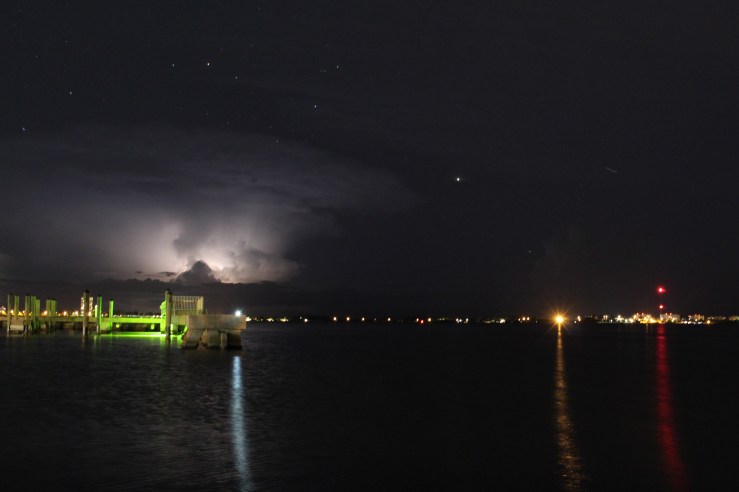
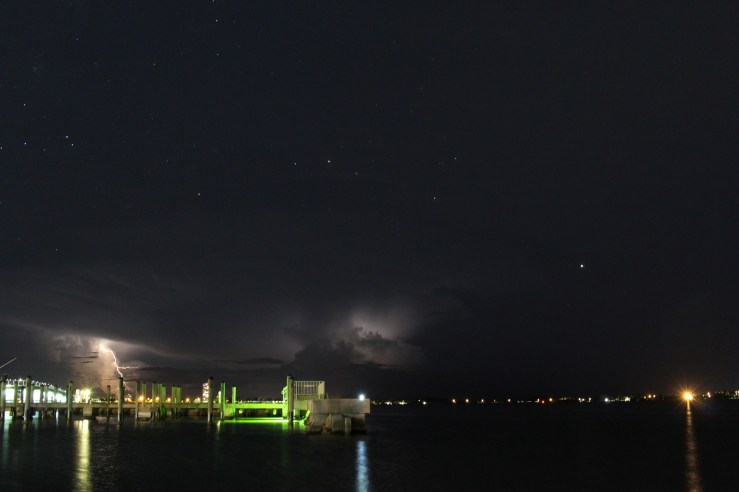
There are many more photos from Sarasota to come, but I wanted to share this one immediately. Lightning out on the Gulf of Mexico, looking southwest across Sarasota Bay.
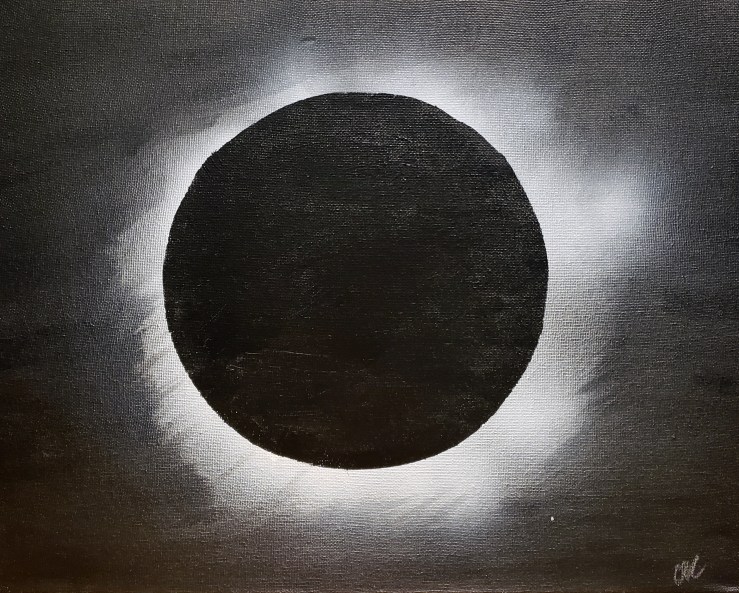
Just a painting of an eclipse that I did. I’ll be at a conference starting tomorrow, so have a great week if I don’t post again.
Today’s Google doodle dedicated to Mr. Rogers’ Neighborhood brings back a bit of warmth and friendliness in a cold and unfriendly time. I absolutely love Mr. Rogers and wish I could spend the morning absorbed in his neighborhood rather than going about the business of another day in 2018.
This video hits me right in the heart. If you grew up with Mr. Rogers, too, enjoy below.
The tour guides always point it out: look up there, they say, shining a flashlight into the pitch darkness between stalactites above our heads, that’s the original entrance. The spot where someone looked down the hole uncovered by a fallen tree and first set eyes upon this strange subterranean world glimmering beneath the middle Florida cotton kingdom. Never mind that the Indians in this part of Florida had known about the caves and used them for longer than anyone could remember. That curious explorer must have been as thrilled and unsettled by this place as the room full of tourists gaping into the inscrutable darkness. Because this place, the Florida caverns, should not be here in North Florida.
This is an endlessly beautiful region, but if you spend enough time in this part of Florida you know what to expect: rolling hills, pine flatwoods, palmettos, red clay, cypress swamps, meandering tannic rivers. It’s a shock, then, the first time you set foot in this fantasy world. The air is cool and damp, odorless. The eyes refuse to settle in one place, for there is no horizon and no distance. There is only this room, only the next room, like a Zelda dungeon. The rocks you know in the human world above are gray and bland, chips off the endless block of limestone that used to be sea floor and sea creatures underlying the entire Florida peninsula. Here the rocks are obscenely variegated, evocative, ubiquitous.
For all that, caves are not entirely peaceful. Peer through the crevices along the well-trod and dimly-lit tour path and it’s easy to imagine losing yourself in a tightening pitch black labyrinth. It’s all too easy to imagine eyeless creatures going about their sightless business, creepy spiders, bats—though you’re likely to see at least one of these without exercising your imagination–insects, even corpses presiding over the inky darkness. This is truly an escape from the Florida you think you know, and a treasure.


The Cut is featuring an excerpt from Rebecca Traister’s forthcoming book, Good and Mad: the Revolutionary Power of Women’s Anger this afternoon and it is a doozy. If you’re interested in American history, in politics, or pretty much anything, you should definitely go read it. As a historian, I’m intrigued by the argument Traister lays out:
Look to the start, the germinating seeds, of nearly every major social and political movement that has shaped this nation — from abolition to suffrage to labor to civil rights and LGBTQ rights to, yes, feminism — and you will find near its start the passionate dissent of women.
I’m inclined to agree, but very much looking forward to working through the book. The historiography of women’s dissent has the potential to completely reframe our understanding of American political history. The book will be out October 2nd.
Here’s a little piece of happiness to carry you through the Sunday night doldrums: Ogikubo Station’s “Take a Piece of All That’s Good” from the band’s upcoming album We Can Pretend Like.
A word to the unwise DIYer, like me: Nothing–I repeat, nothing–gets Ty-D-Bol off of your skin. If you should, say, spill some on your hand when fixing a leaky toilet first thing on a Sunday morning, welcome to your blue-skinned life now.
Be careful out there, folks.
Every once in a while I am reminded that the name of the Baltimore Ravens is an Edgar Allen Poe reference and this makes me happy.
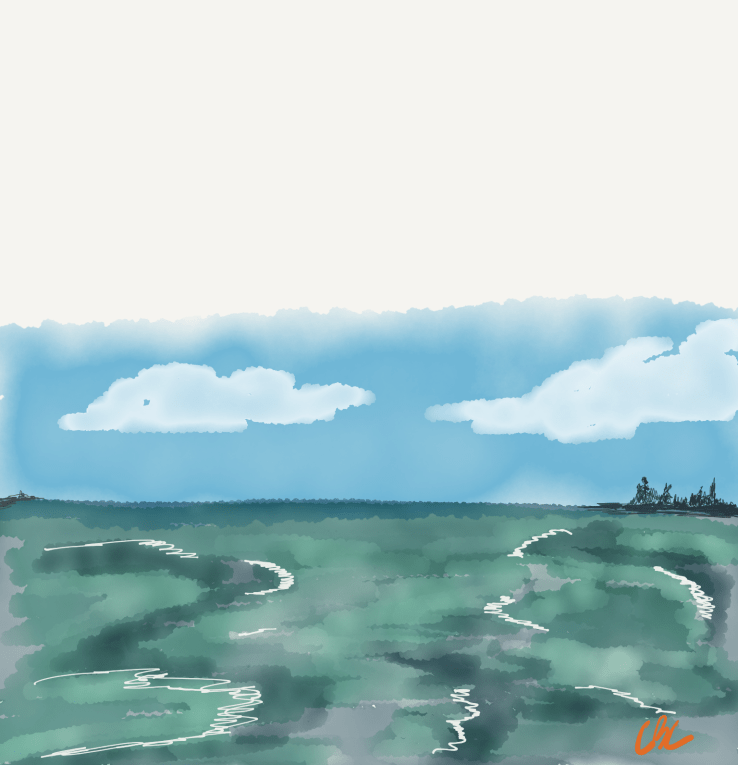
Dreaming of distant seas as this languid summer Friday shambles toward the weekend.
Apparently Yahoo is scanning users’ emails for marketing information. In light of the historically massive data breach and a general tailspin across the platform, now is definitely the time to delete your Yahoo account.
I hate to see Flickr go, but I’ll be deleting my account this afternoon.
 C.B. Crenshaw