Tag: Nature

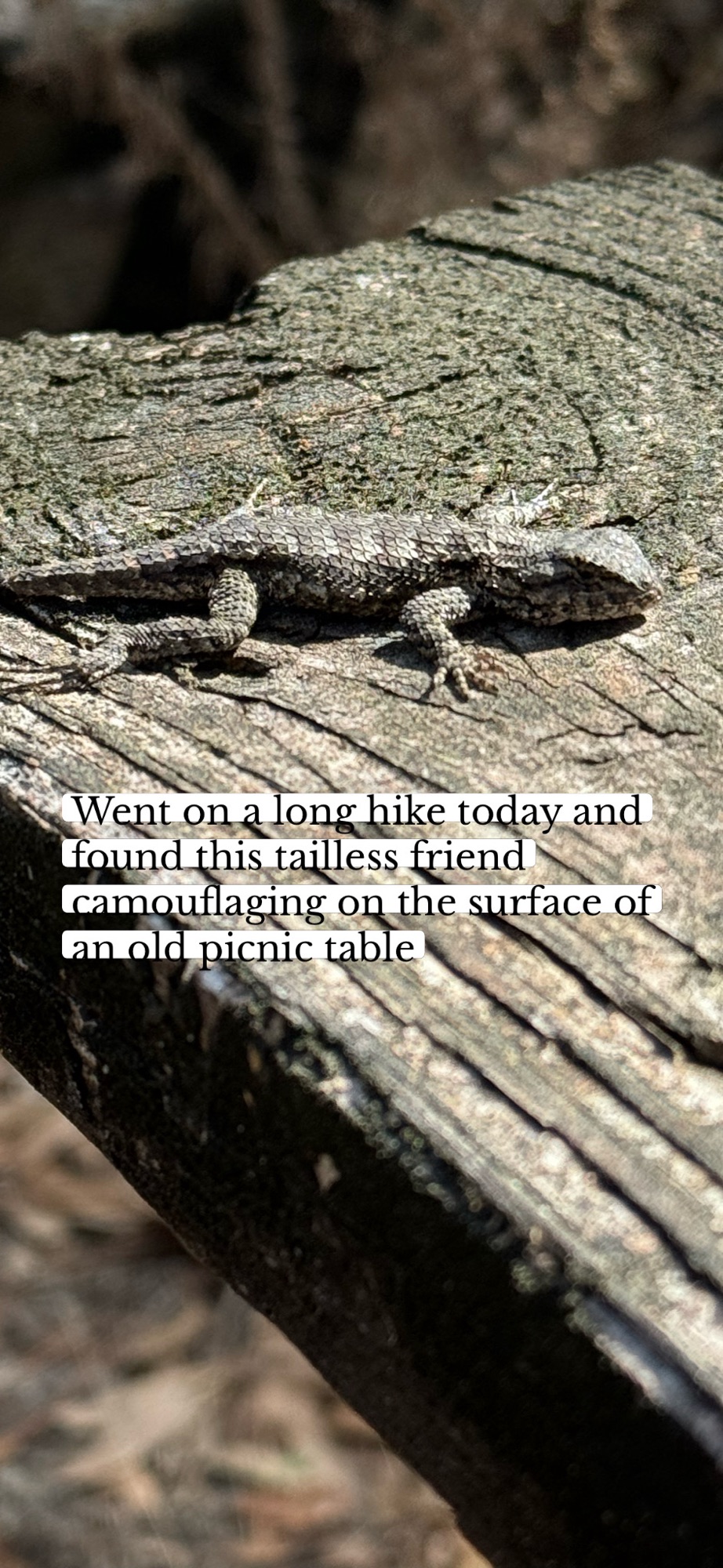
Sketchbook: Cetaceous Sunday
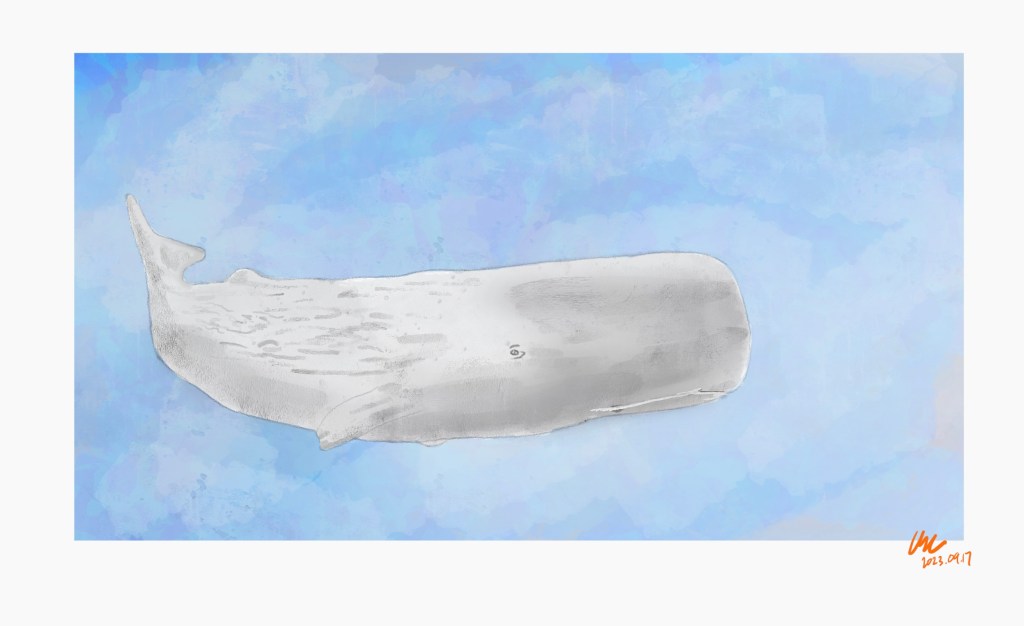
After the Storm
When Álvar Núñez Cabeza de Vaca passed through this part of Florida in late summer 1528, his names and nicknames trailing behind him like soldiers in the van, the haggard band of Spanish soldiers and clerks of which he was a part encountered a country ravaged by storms. He described a “country difficult to traverse and strange to look at,” covered with “great forests” full of “wonderfully tall” trees. So many of these giant trees had fallen, he wrote, “that we had to make long detours and with great trouble” to pass through the country. The trees still standing, he continued in his memoir, were “rent from top to bottom by thunderbolts.” For a man reared on Spain’s rocky, sandstone-colored Mediterranean coast, it must have been strange country, indeed.
Walking in our little corner of the Red Hills in the days since Hurricane Idalia passed by, I’ve been reminded of the old Spanish invader’s experience here. There was a venerable old pine tree that came down up the hill from our place, leaves and sticks and clumps of sodden leaves and moss everywhere, puddles and piles. The most motivated neighbors in our little community set to work right away sawing, raking, grouping, piling, anxious to restore order. Mere hours after the storm, when most of us were only just beginning to open the door and peek outside, these intrepid workers had already mostly finished the cleanup.

People love to set things right like this, but nature prefers chaos. Left to themselves, all these sticks, leaves, and branches will fertilize the earth where they fell, literally becoming soil as the years go by. In the meantime, they swarm with life. Pick up a fallen branch after a few days in the sticky summer heat and you are likely to find a circus of living things—millipedes, roaches, slugs, worms, ants—in the cool, dark depression below. Life thrives in these overturned places.
Over on the other side of the hill, away from the tree felled by Idalia, they cleared a little patch of land earlier this year when a winter storm knocked over a different tree. One day there was a large maple tree standing there, surrounded by shrubs and bushes growing in the shade. A few days after the storm took it down, everything was gone. In its place was simply a patch of bare earth, brown and forlorn, covered with sawdust and drying leaves. Our instinct in a place like this is to stay away. My dog, Penny, snuffled around the patch for a moment and then moved on to the abundantly living places nearby.
Chaos is creative. It gives us new ideas, encourages us to play.
This lonesome state did not last, however. A week after the clearing, there were weeds shooting up all over the bare spot, little clumps of green rapidly colonizing the exposed soil. Vines crept among the clumps of weeds, tentatively, like explorers working across the frontier. A few weeks later, there were little bushes there, a thickening verge of nightshades, kudzu, and wildflowers swarming with bees, wasps, and butterflies. Now, six months later, the little bare spot is wild with greenery, vividly alive with flowers, vines, insects, snakes, mice, birds, lizards, even—oddly enough—a thriving tomato plant.

There are some, I’m sure, who would like nothing more than to rip that little wild spot out, replace it with St. Augustine grass, and turn the sprinkler on it. I pray to every goddess, god, and lesser celestial entity who comes to mind that these people never get their way. Let them have the rest of the world and leave this two-hundred square feet of jungle to itself.
Chaos is creative. It gives us new ideas, encourages us to play. When I was a child, running around the suburban streets of southern Maryland, there was a nice patch of ignored woodlands next to the house. About five acres, hemmed in by roads, apartments, and fenceless back yards, it was densely treed, networked with narrow paths over dry, deciduous hills and down into boggy depressions. There was even a little pond back there, fifty yards across, murky and filmed with white bubbles in the summer but beautifully iced over for a few blessed days in the winter. I spent hours in that little patch of woods, my magic place, roaming the paths by myself or, more often, trooping down the leafy trails with the peripatetic gaggle of neighborhoods kids.
One day a group of us were ducking and snapping through a trackless portion of the woods about two hundred yards back of a kid named Josh’s house when we made a remarkable discovery. We found a place where some trees had fallen together, interlocked like dominoes that tumbled in different directions. One had fallen over completely, roots and all, a giant clump of red earth at the base looming over a deep hole. One kid, an intrepid girl named Katie, shimmied down in to the hole and found a bunch of tightly packed clods of marbled red and brown dirt. We marveled at these for a moment, these little artifacts of a world long-buried beneath our feet, longer than some clumps of dirt probably deserved. Meanwhile the fallen tree leaned at about a thirty degree angle, many feet up, supported by the strong limbs of a neighboring tree that had managed to survive the storm. A kid named Mark balance-walked right up the leaning trunk of this fallen grandfather. Another tree in the middle of these two had not survived, however. Struck by Mark’s fallen pine, it broke off about ten feet up the trunk and fell into the arms of another tree nearby. Together, along with dangling branches, shrubs, and decaying logs, these fallen trees formed a sort of enclosed clearing, like a cathedral in the dense woods. We saw the potential for this place immediately: this was a fort. We gathered the clods from beneath the tree and piled them at strategic locations along the stockade—dirt bombs. We stationed a sentry at the top of the root-ball tree to keep an eye out for anyone coming.
Sure enough, after a couple days, a group of older kids came by and heard us playing back in the fort. They saw the potential too and undertook a siege on our position. We took up our battle stations and pelted them with dirt bombs until one of them told his little brother (Josh, who had learned of the fort when we came out of the woods into his backyard the day before) that he would tell their mom what we were up to back there. This was a compelling argument to Josh, for some reason, and in his sputtering confusion the older kids broke through our defenses. They chased us for awhile before returning to claim the fort for themselves.
In these days after the storm, I remember the fort vividly. I think about the way this place has always been characterized by fallen trees, draining lakes, flooding rivers, raging forest fires. Living things—plants and millipedes and children, too—thrive in the aftermath of these events. Everything is born of chaos and disorder, and everything will one day return there. We may as well climb the trees and make some dirt bombs in the meantime.
Dialectic Parade, “Libra”
Here’s a new song from my solo music project, Dialectic Parade.
One morning you wake up and the world is falling apart.
“The Climate Is Always Changing”: A Living Document of our Disastrous Times
This is a list of articles documenting the ongoing destruction of the environment. If you believe “it’s just weather,” or “the climate is always changing,” click around below and tie yourself up in a few more knots.
This list will grow over time.
- Paul Bogard, “We’re Watching the Sky as We Know It Disappear”
- C.A. Bridges, “When Will Florida Be Completely Underwater? A Look at the Future of Sea Level Rise”
- Justine Calma, “Climate Change is Redrawing the Disaster Map”
- Denise Chow, “Earth just had its hottest year ever recorded — by far” (2023)
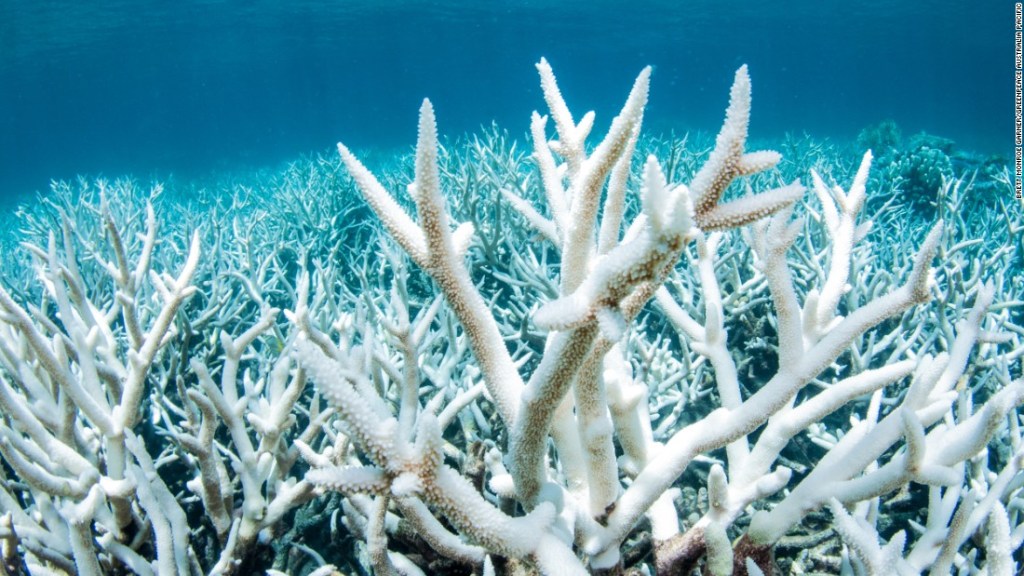
- Warren Cornwall, “‘Shocking levels of stress.’ A marine heat wave is devastating Florida’s corals “
- Aimee Cunningham, “Climate Change Puts Childrens’ Health at Risk Now and in the Future”
- Michael T. Klare, “We Are Witnessing the First Stages of Civilization’s Collapse”
- Maryn McKenna, “This Scorching Summer is Taking a Toll on Your Favorite Foods”
- Alex Morrison, “New Antarctic Extremes ‘Virtually Certain’ as World Warms”
- Serge Schmemann, “It Is No Longer Possible to Escape What We Have Done to Ourselves”
- Elena Shao, “What This Year’s ‘Astonishing’ Ocean Heat Means for the Planet”
- Matt Simon, “This Heat is Shaking the Very Foundation of the Ocean Food Web”
“We see increasing magnitude of certain types of disasters. We see increasing socioeconomic impact from disasters. We’re also seeing disasters in places where we don’t usually see certain types of disasters, and different types of disasters interacting with one another.”
Andrew Kruczkiewicz, senior staff associate at the International Research Institute for Climate and Society at Columbia Climate School, wuoted in Justine Calma, “Climate Change is Redrawing the Disaster Map”
Haiku


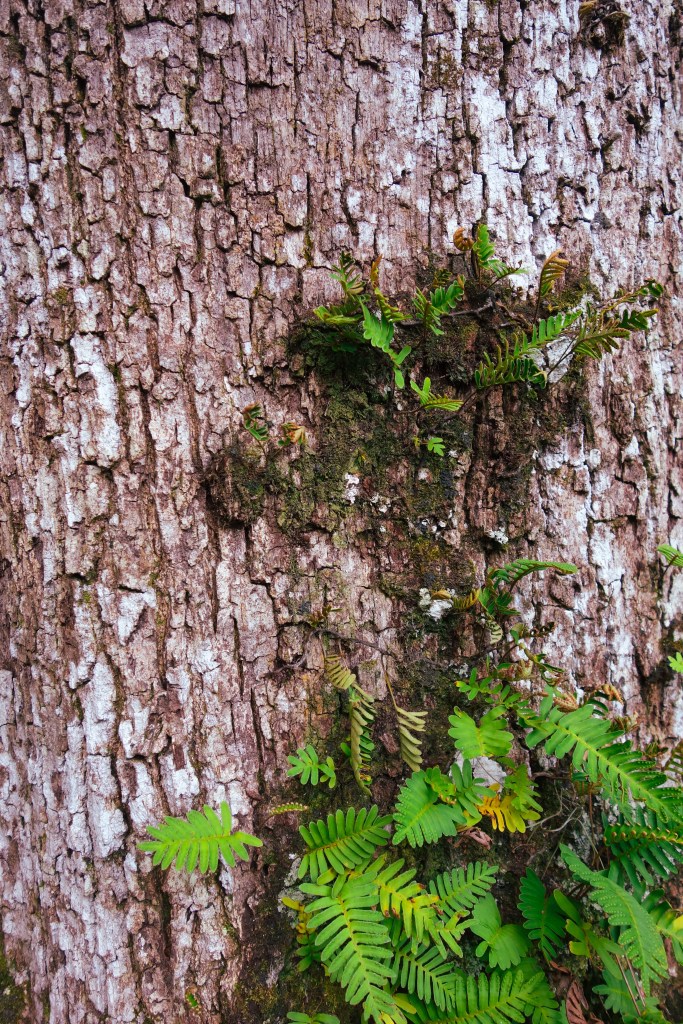

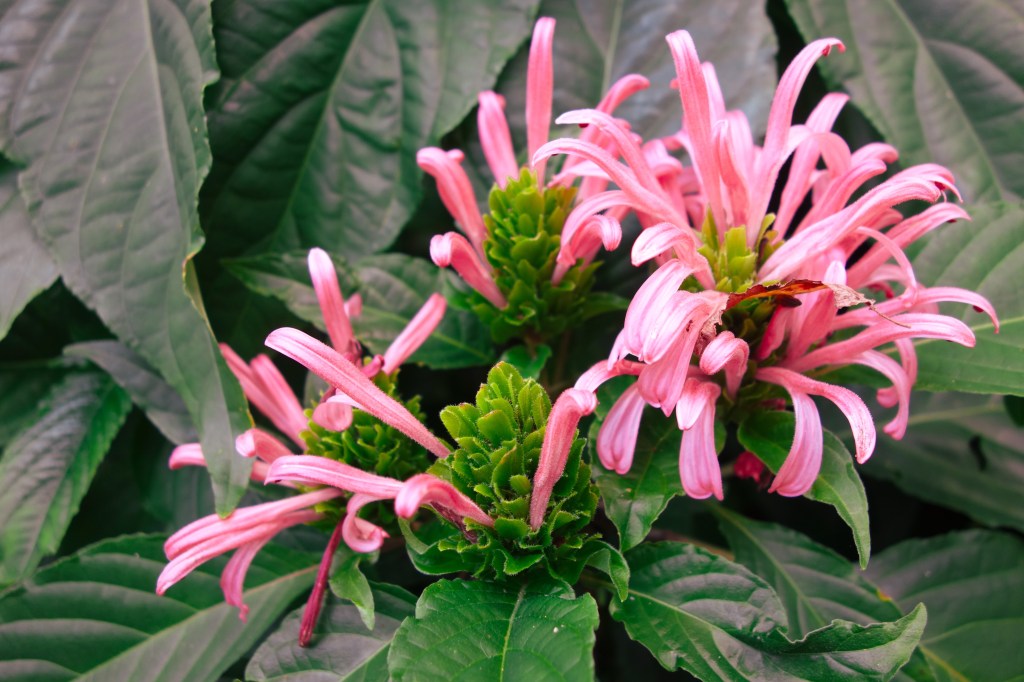
A summer haiku composed at Dorothy B. Oven Park in Tallahassee, Florida.
Sketchbook: Safari
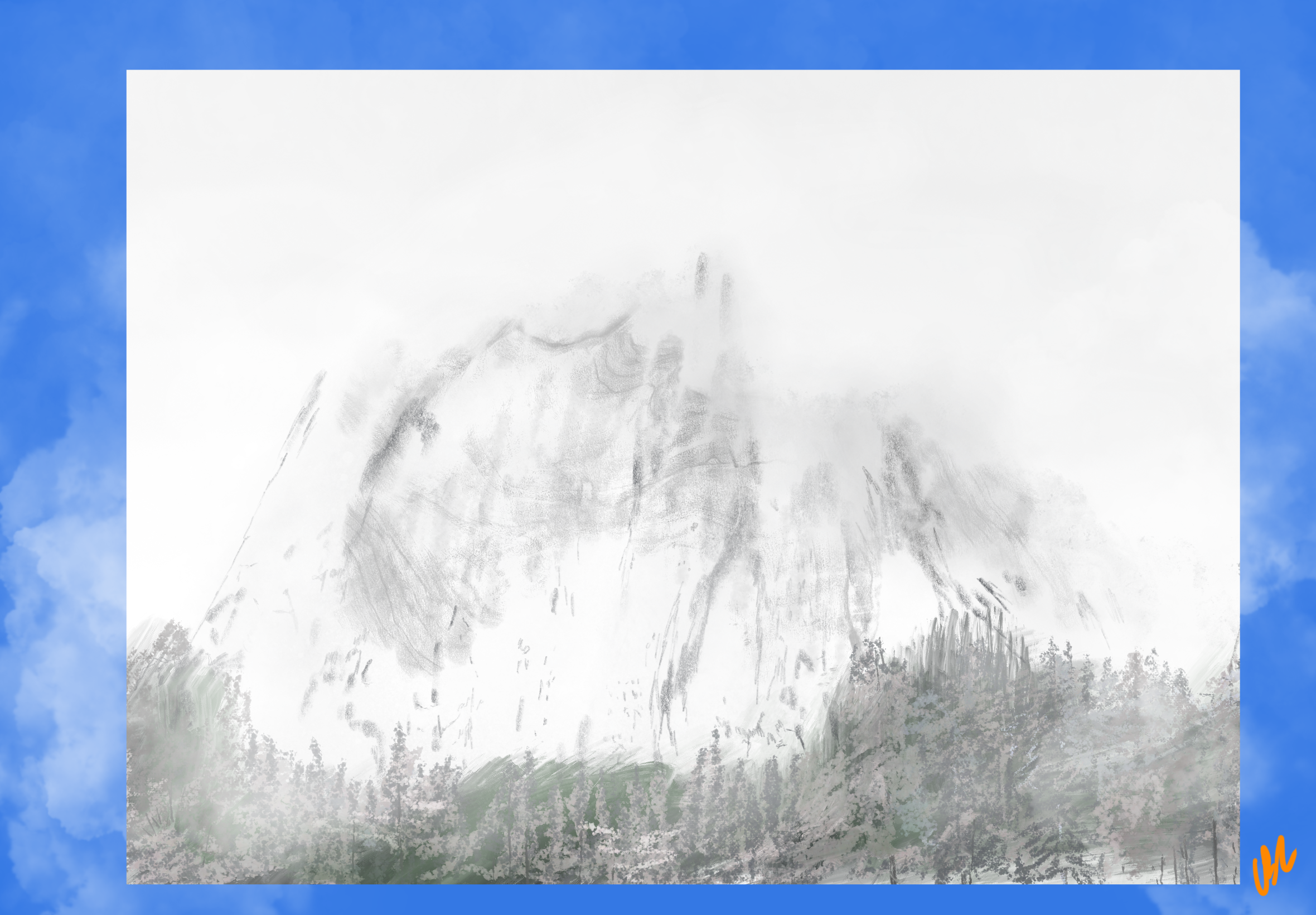
Fooling around in the Procreate notebook.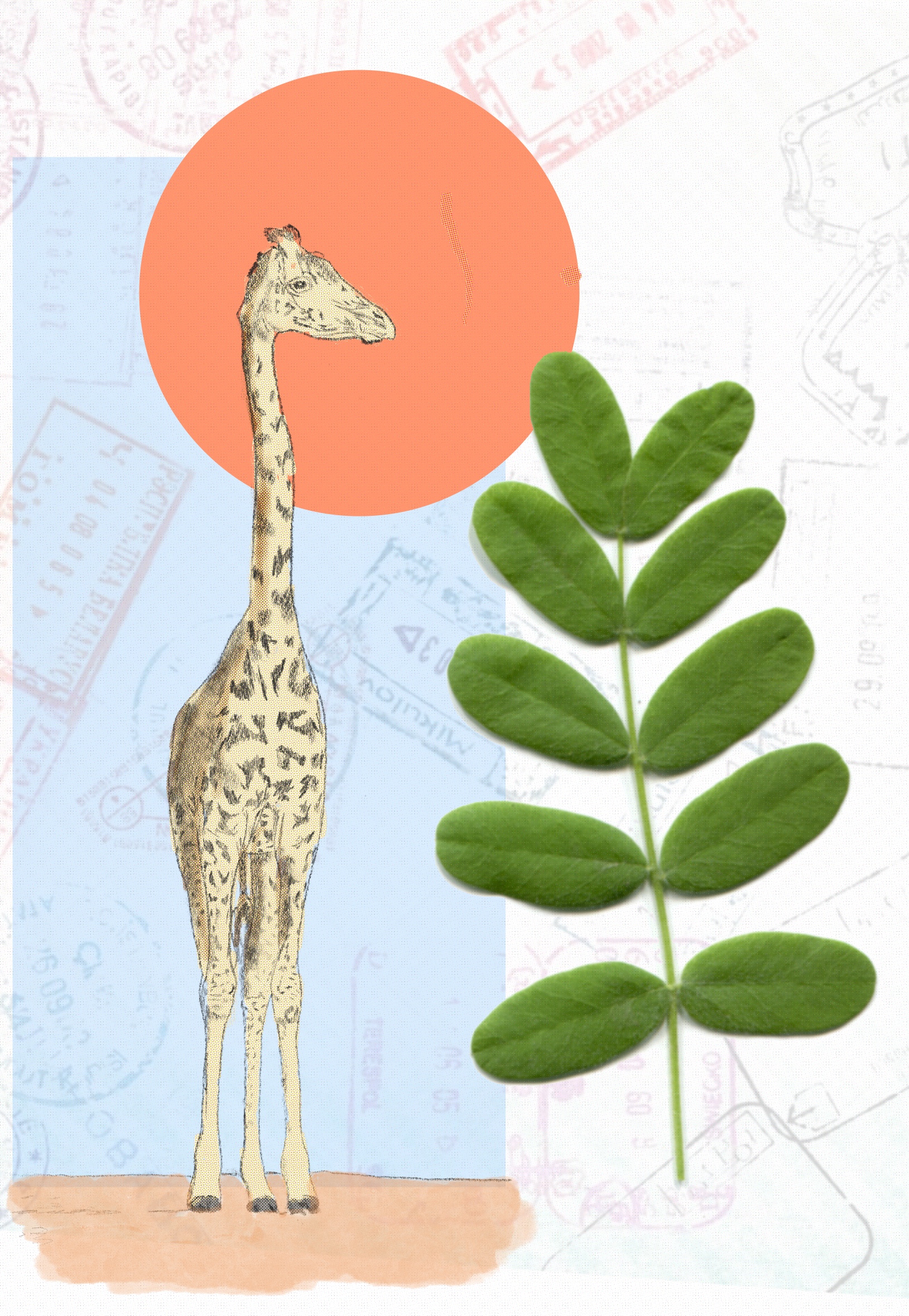
The Lost World of the Naturalist
This week I am reading a classic naturalist’s work, Edwin Way Teale’s North With the Spring. This book is a must-read for anyone interested in Florida nature, but it should also be near the top of the list for anyone interested in how to be a naturalist. I picked up the book for the former purpose, but found myself enthralled by the latter. As an aside, this is one of the many ways I am enriched by breaking bread with the dead. I approach every book with an idea of where it will lead me, but I never end up in that place. Recent authors don’t often take me too far from the path I picture through the book, because we have shared many of the same experiences; going back only as far as fifty years, though, leads to wild and wonderful (and often chilling, challenging, and vexing) places.
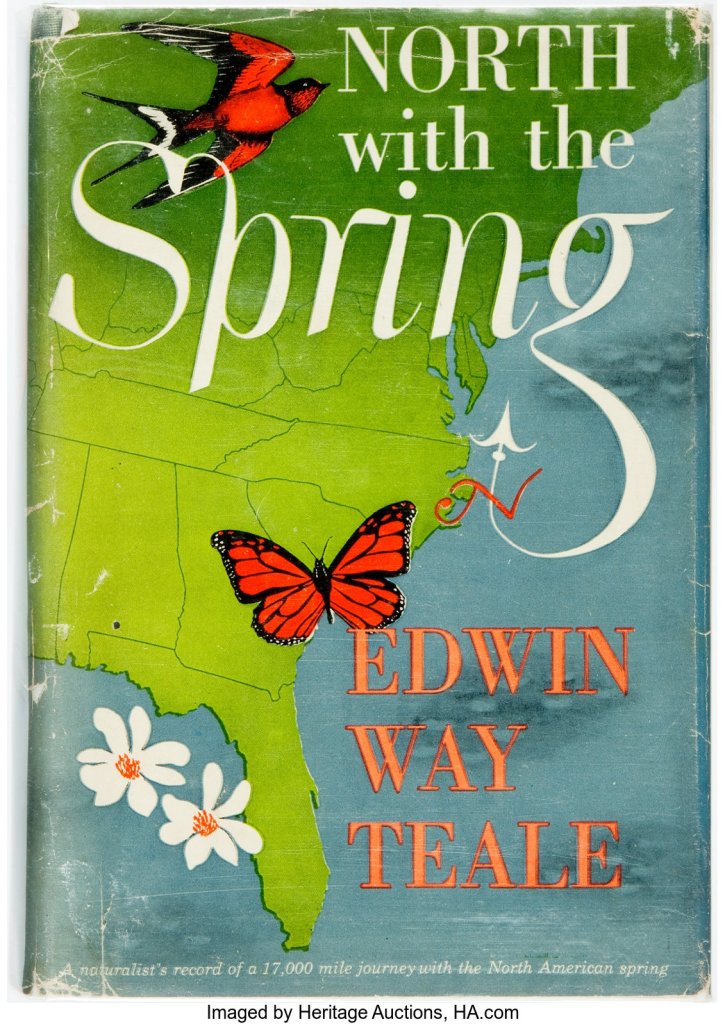
I entered North with the Spring with a historian’s interest in how Teale thought of Florida in the 1940s. His idea was a compelling one: starting somewhere at the southern tip of Florida, he would follow the spring as it made its inexorable way to the wintry northland of New England. The book was popular in its day, and it has endured long enough in library stacks to have inspired others to retrace the path Teale took up the spine of the seaboard. I started the book with a research goal in mind, but I was immediately blown away by how Teale lived – and how different it is from the way so many of us live today. In contrast to our capsular civilization of AirPods, air conditioned and noise-canceling car interiors, tightly closed and carefully climate-controlled offices and apartments, Teale describes a way of living close to nature, constantly listening, looking, smelling, and most of all, responding.
Here is an example. “Each morning,” Teale wrote of the “pre-spring days” early in his journey, “we awoke while it was still, to the steady throbbing of fishing boats moving out among the Ten Thousand Islands of the Gulf.” Awakening further, Teale described a rush of sensory information. “With the earliest daylight,” he continued, “came the strident alarm-clock of the red-bellied woodpecker amid the palms outside our cabin….” Stepping outside into the cool February morning, Teale and his wife found “exciting new odors… all around us in the perfumed air of the dawn.”
I read this and think about my morning routine. I awaken in a sealed room. I do not hear birds. A ceiling fan whirrs overhead, quietly humming, while a tower fan drones on the other side of the room. The air conditioner hums through the ducts. Another fan spins noisily in the mint green heat exchanger supporting the air conditioner just below the bedroom window. In the bathroom I am beyond the sound of the fans, but still comfortably sealed within. I hear the nearest songbirds—a dueling Cardinal and Carolina Wren at this time of year– whistling their morning tunes from magnolia trees outside.
In contrast with Teale, I am distant from nature. I am almost hermetically sealed in my capsule.
While driving, Teale noticed plants along the roadway, changes in the communities of birds flocking overhead, minute details about the weather, small sounds, flashes of color. Taking a detour near Waycross, Georgia on the way down to the Everglades, he reported: “As we reached a stretch of swampy woodland, a storm of sound assailed our ears. All the trees were alive with blackbirds. Thousands swarmed among the branches, filled with the excitement of migration time. They were incessantly in motion, hopping, flying, alighting, combining their voices in a deafening clamor.”
I do not remember the last time I heard a “deafening clamor” of migrating birds outside my car window, and I suspect I am not alone. I look around and notice that the windows of every car around me are tightly sealed. We move through the world in capsular isolation. Meanwhile, Teale’s attention to the natural world was unaffected even by the clattering iron of rail travel. “If you come north by the train in midspring and have an ear for the swamp music of toads and frogs,” he explained, “you will become aware of something interesting. You seem to be running backward in time. As the spring becomes less and less advanced as you go north, you begin with the latest-appearing of the marsh-callers and progress backward to the earliest of the peepers.”

I am reading Teale’s account of the coming spring sunburnt and muscle-sore from a long paddle down the Wakulla River last weekend. For Teale—at least the character he plays in North With the Spring—nature was the substance within which life unfolded, inseparable from daily existence. For me, it is a commodity to be consumed. I engage the natural world fresh from the sporting goods store like a student joining the intramural league. The commodification of nature is nothing new, of course. David Nelson shows, for example, how the Civilian Conservation Corps and Florida business interests worked together to develop the modern tourism industry in the Florida Park System.
Still, I can’t help but think that the separation of human from nature is rapidly and irreversibly accelerating. Teale drove with the windows down because his car didn’t have an air conditioner. Would he drive with the windows up today, podcast blaring? He heard frogs and birds from the windows of Pullman coaches because that was how people traveled across the country at that time. Would he put on his headphones and watch a movie on the plane at 35,000 feet today? He woke to the sounds of boats and birds in the Ten Thousand Islands because open windows were the only way to cool the room. Today, like the rest of us, he would probably wake up to the roar of the air conditioner beneath the hotel window blowing ice cold air into the room.
These are things I don’t want to give up, but North With the Spring reminds me of the beautiful, natural things I have give up in exchange for comfort.
Dream Light
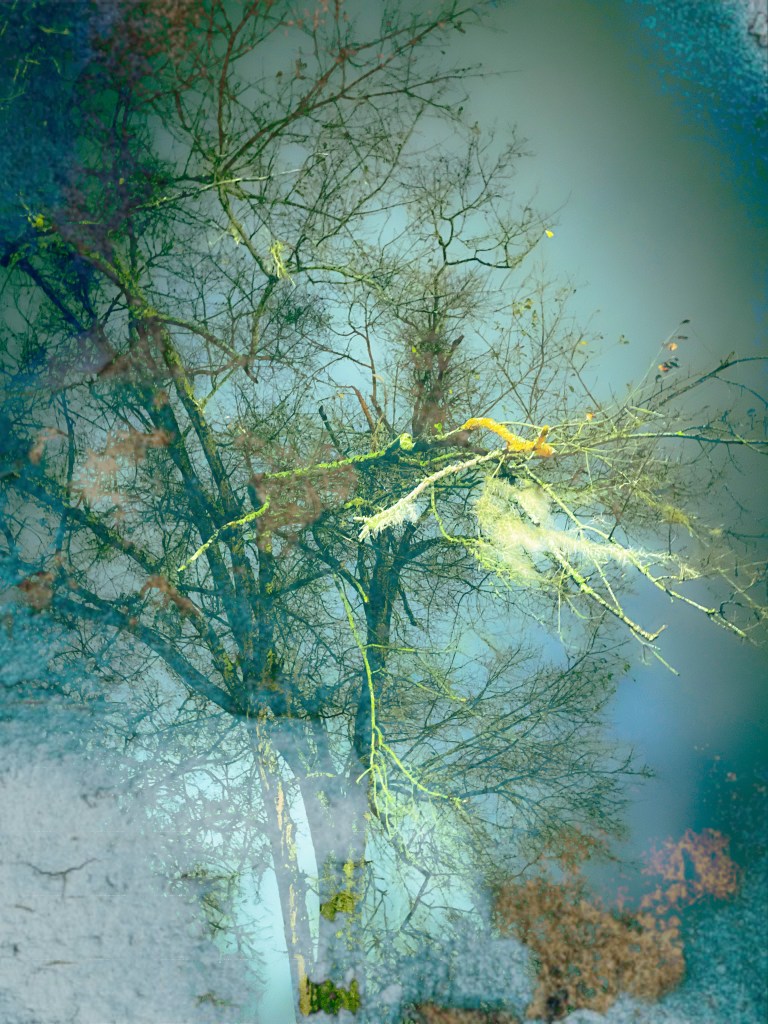
 C.B. Crenshaw