Do you ever find yourself mystified by the simultaneously vague but overly-specific calls for papers on H-Net? If so, this game’s for you! Here’s how to play. First, go have a look at H-Announce for inspiration. Perhaps you’d like to fly or take a train to the Netherlands and read a paper for a 20-minute talk on the topic of “style as assemblage” for the “Sensing Style: Subcultural Movements in the 21st century” symposium. Maybe you have a paper to contribute on the topic of “Provocative Parables at the Intersection of the Secular and the Supernatural.” If so, great! If not, that’s also OK. Either way, you can still play along as we make up our own vague-but-specific humanities CFPs!
Use entries from the table below to fill in the blanks. Once you get the hang of it, it’s easy to make up your own 🙂
Category ACategory B: Category B in the Category C of Category D
Notes toward a personal essay about the murder of trade unionists in Colombia by soft drink bottlers and about how the political is the personal: “disfruta la magia”
To believe a thing is made from people is to forgive. It’s the things that make the people here: the things made of people there.
I was born in the russet flush of autumn, 1985, in an evergreen place. My growth in the intervening years has been a gut-wrenching display of limbs beating upon membranes of things. That’s not how it feels, of course, Being alive.
To be in the Round is to Be. Each of us a Rebel. Each of us a Gifted Student. Each of us a Birth of the Cool. Each of us a King of the Lizards.
I became a data point in the carbon rush of 1996, in a climate-controlled room. My reduction in the exaflops since that shining moment has been a substantial work of engineering prowess. That’s not how it feels, of course, Being golden.
Ink beneath the gloss. Acceptable loss. Consummation to Consumption.
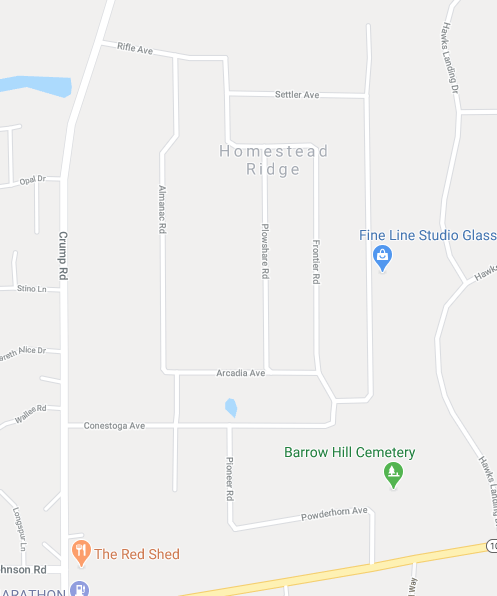
This is basically a synecdoche for one of my dissertation chapters.
Ideology inscribed on the landscape
I love sophisticated GIS methods, but I learn so much and have some of my best ideas just browsing Google Maps. If you’re not integrating maps into your research, even just a simple scan of the area you’re studying may give you surprising new insights.
“No matter how good you are, there will always be someone better.” Michael didn’t remember these words when he heard the song on the radio. He remembered another of his father’s expressions instead: the wordless joy on his face when he watched his son play the bass all those years ago. Dad would bring home CDs and tapes during the week while Michael stayed with mom across town. “I’ve got something I want you to play for me when we get home,” he would say on the golden hour drive over on Friday afternoon. “Can you play this one?”
Michael almost always could play them. He could fake his way through anything his dad wanted, jamming along to the hits of the sixties and seventies on a big amplifier he carried up and down the stairs. Lit by the warm glow of the kitchen shining into the living room of his Dad’s upstairs apartment, he felt unstoppable, ripping through Santana, Pink Floyd, Spirit, Motown, his father nearly crying from joy at the silken effortlessness of his fingers on the fretboard.
Michael was scrolling over Twitter in the Drive-Thru line at McDonald’s when the song, Heart’s “Crazy on You,” came on the radio. He had heard the song a hundred times before, but this time the bass line caught his ear. The flat, compressed warmth of the tone. The almost indiscernible space between one note and the next. The irrepressible motion beneath the melody. The gesture toward counterpoint. He was surprised this song wasn’t one of his Friday night songs all those years ago, and shocked by the feelings it brought to the surface.
This was ridiculous. Heart never made him feel anything at all. It wasn’t supposed to. He wasn’t sure who was supposed to feel things when they listened to Heart, but it wasn’t him. But there it was anyway. He was unsettled and saddened, stirred to a smoldering anger in some deep register he couldn’t quite understand.
Maybe it was loss. Michael had played a few shows after high school, but it never worked out. Bands fell apart. Rent had to be paid. Moving away, going to New York or Nashville, took more than he could save. The movies about starving artists don’t tell you that it takes money to live like a pauper in a new place. By the time he learned how to take care of himself, though, it was too late.
Listening now, he could hear so much in “Crazy on You” that he would have missed then. Striving to outdo the performer, he would have added flurry upon flair–runs, ghost notes, slaps, sweeps–smirking over the fretboard, but he wouldn’t have heard the music at all. Maybe now he could do it right, he thought, because responsibility both gives and takes. The steady tug of necessity drove him away from music a few years after the living room concerts, yes, but didn’t it give him the humility to step back, to listen? It was a shame, he thought, to waste talent on the young.
But would he ever stand before an audience as joyously rapt as his dad had been so many years ago?



 C.B. Crenshaw